English English
Engineered for extreme physical stability, ultra-high encapsulation efficiency, and rapid bio-uptake across complex pharmaceutical and nutritional formulations.
Addressing intestinal saturation barriers, gastric degradation kinetics, and systemic pharmacokinetics in biomedical and consumer health applications.
Standard oral intake of crystalline non-encapsulated L-ascorbic acid faces harsh physiological bottlenecks within the human gastrointestinal tract. At typical physiological dosages exceeding 200 mg, the saturable active transport system driven by Sodium-Dependent Vitamin C Transporter 1 (SVCT-1) located on the mucosal brush border enterocytes downregulates sharply. Unabsorbed ascorbic acid undergoes rapid osmotic degradation by resident colon microflora, yielding gastrointestinal distress, elevated osmotic pressures, and low cellular bioavailability. Pharmacokinetic curves confirm that systemic baseline retention plateau around 220 µmol/L, regardless of dose increases.
To overcome these uptake limits, our manufacturing facility engineers nanoscale liposomal carriers using pure phosphatidylcholine derived from non-GMO soy or sunflower lecithin. Through high-pressure microfluidization under controlled thermal ranges (20–25°C), aqueous ascorbic acid is encapsulated inside dynamic spherical phospholipid bilayers. These vesicular nanocarriers mimic endogenous cellular membranes. Consequently, liposomal vitamin C bypasses classical SVCT-1 dependence, directly assimilating via lymphatic intestinal enterocyte endocytosis or fusing straight into venous circulation. Clinical pharmacokinetics verify that our liposomal ascorbic acid powders and suspensions achieve peak plasma concentration (Cmax) values up to 2.4-fold greater than unencapsulated equivalents, maintaining extended therapeutic clearance plateaus across an 8-to-12-hour metabolic window.

Furthermore, technical verification relies heavily on structural integrity metrics. For bulk distributors and pharmaceutical manufacturers in the Philadelphia-Camden-Wilmington corridor, ensuring that encapsulation holds across long transit runs is essential. Our production lots guarantee a rigorous particle size distribution (mean diameter between 100 nm and 180 nm) measured via dynamic light scattering (DLS), coupled with a tightly controlled Polydispersity Index (PDI ≤ 0.22) and a steady Zeta Potential (≤ -30 mV). This electrical surface charge prevents vesicular agglomeration and precipitation in finished aqueous or powdered supplement formats.
Fueling Pennsylvania's high-density life sciences corridors, contract manufacturing ecosystems, and clinical testing operations.
The Greater Philadelphia area hosts one of the world's most concentrated biotechnology hubs, commonly termed "Cellicon Valley." Extending from University City's research clusters out to King of Prussia and Spring House, clinical trial designers utilize high-purity Liposomal Vitamin C as an epigenetic modulator and co-factor in tissue regeneration. Given its intracellular delivery efficiency, sterile injectable or bio-accessible liposomal ascorbate supplies stable, unoxidized intracellular reducing potential, mitigating baseline mitochondrial free-radical generation during ex-vivo cell culturing without generating the cytotoxic pro-oxidant reactions seen with unbuffered high-concentration ascorbate salts.
Contract Development and Manufacturing Organizations (CDMOs) based in Montgomery and Chester counties rely heavily on our spray-dried, freely-flowing liposomal powders. Processing standard, hygroscopic ascorbic acid often corrodes high-speed rotary tablet presses and causes blister packs to swell or darken due to premature oxidation. Our micro-liposomal powders exhibit low hygroscopic uptake, clean compressibility, and superior flow indexes (Carr's Index ≤ 18%). This physical stability protects softgel lines, two-piece hard shell capsules, and dual-chamber liquid stick-packs from degrading under the humid Atlantic summers common along the Delaware River basin.
Nutricosmetic and skin-barrier brands based in Center City Philadelphia and surrounding suburban hubs require clean-label, bio-compatible delivery models. Ascorbic acid is notoriously vulnerable to light and oxygen exposure in water-based cosmetic serums, rapidly turning into degraded brown dehydroascorbic acid. Our phospholipid vesicle suspension isolates ascorbic molecules, preventing premature oxidation on shelves. Formulators create topical anti-aging treatments and inner-beauty elixirs that penetrate the stratum corneum smoothly, boosting endogenous pro-collagen type-1 synthesis without relying on synthetic surfactants or aggressive chemical carriers.
Analyzing nearshore supply-chain shifts, maritime container routing via PhilaPort, and strict adherence to FDA 21 CFR Part 111 cGMP requirements.
The nutraceutical and bio-ingredient procurement matrix across Pennsylvania, southern New Jersey, and Delaware is undergoing structural optimization. First, supply-chain disruptions have driven enterprise buyers away from multi-tiered domestic brokers toward verified, direct primary manufacturers in China capable of integrating comprehensive audit-trail documentation directly into enterprise resource systems (SAP/Oracle). Mid-Atlantic procurement teams are actively eliminating transactional intermediaries to improve trace visibility from starting botanical or chemical precursors straight through to finished drums.
Second, The Port of Philadelphia (PhilaPort) has transformed into a strategic logistics corridor for raw biological and specialty material freight. As local brands scale production capacity, marine container shipments entering PhilaPort save valuable transit days compared to congested West Coast container ports followed by cross-country rail hauls. By pairing ocean-freight efficiency directly with pre-cleared customs filings under clean HS-code classifications (HS 2936.27 / HS 2106.90), East Coast distributors ensure cold-chain logistics integrity while maintaining continuous manufacturing inventory safely above minimum buffer-stock floors.
Finally, the operational baseline for supplier qualification has risen dramatically. Local quality assurance units no longer accept generic Certificate of Analysis documents without third-party validated methodology. Modern qualification frameworks demand rigorous trace-metal testing (Inductively Coupled Plasma Mass Spectrometry - ICP-MS targeting Lead, Arsenic, Cadmium, and Mercury at parts-per-billion thresholds), residual solvent verification via Gas Chromatography (GC-MS), verified absence of adulterants, and complete non-GMO sourcing documentation for all primary phospholipid bases. Suppliers who maintain end-to-end trace documentation, third-party SGS onsite validations, and comprehensive food-safety management systems (ISO 22000, HACCP) dominate this shifting regulatory environment.
Backed by 15 years of continuous production and processing expertise, third-party site verification, and full-spectrum compliance architectures.
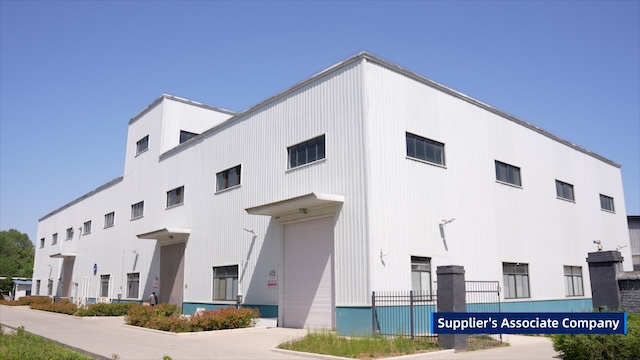
BKYULA Biotech operates from Xi'an, Shaanxi, utilizing modern industrial facilities inspected and confirmed onsite by SGS Group. Our quality management workflows adhere strictly to ISO 9001:2015, ISO 22000 food safety standards, and Hazard Analysis Critical Control Point (HACCP) principles. For specialized commercial channels, our product lines carry full documentation under HALAL, KOSHER, and European FAMI-QS feed-safety guidelines, accompanied by USDA and EU Organic options for clean-label programs.
Our extraction, concentration, and liposome manufacturing infrastructure includes closed-circuit stainless multi-function extraction vessels, specialized low-temperature vacuum evaporators, sterile clean-benches, and industrial freeze-drying plants. This comprehensive array protects labile compounds from high shear stress, thermal degradation, and environmental oxidative breakdown throughout batch cycles.
To eliminate discrepancies between documentation and material delivered to Philadelphia receiving docks, every shipment must pass clear analytical screening at our quality control center. Our team utilizes dual High-Performance Liquid Chromatography (HPLC) columns, Ultraviolet-Visible (UV-Vis) Spectrophotometers, analytical microbalances, stability environmental chambers, and advanced microbial incubators.
We test for active marker assays, bulk density, loss on drying, sieve mesh size, dynamic viscosity, encapsulation efficiency percentage, aerobic plate counts, yeast and mold counts, as well as zero-tolerance pathogen panels (Salmonella, E. Coli, Staphylococcus aureus). Every export drum arrives with an authentic batch-specific Certificate of Analysis (COA), safety data sheets (MSDS), and comprehensive trace dossiers.
Targeting technical, regulatory, shipping, and analytical criteria for mid-Atlantic procurement managers and supply-chain professionals.
Connect directly with BKYULA Biotech's technical engineering department. Request working samples, technical specifications, and third-party laboratory verification dossiers for your production lines in Greater Philadelphia.