 English English
BKYULA Biotech delivers certified raw botanical extracts to distributors, institutional clinics, and local processors in South Tarawa, engineered with barrier barrier-packaging to resist equatorial moisture.
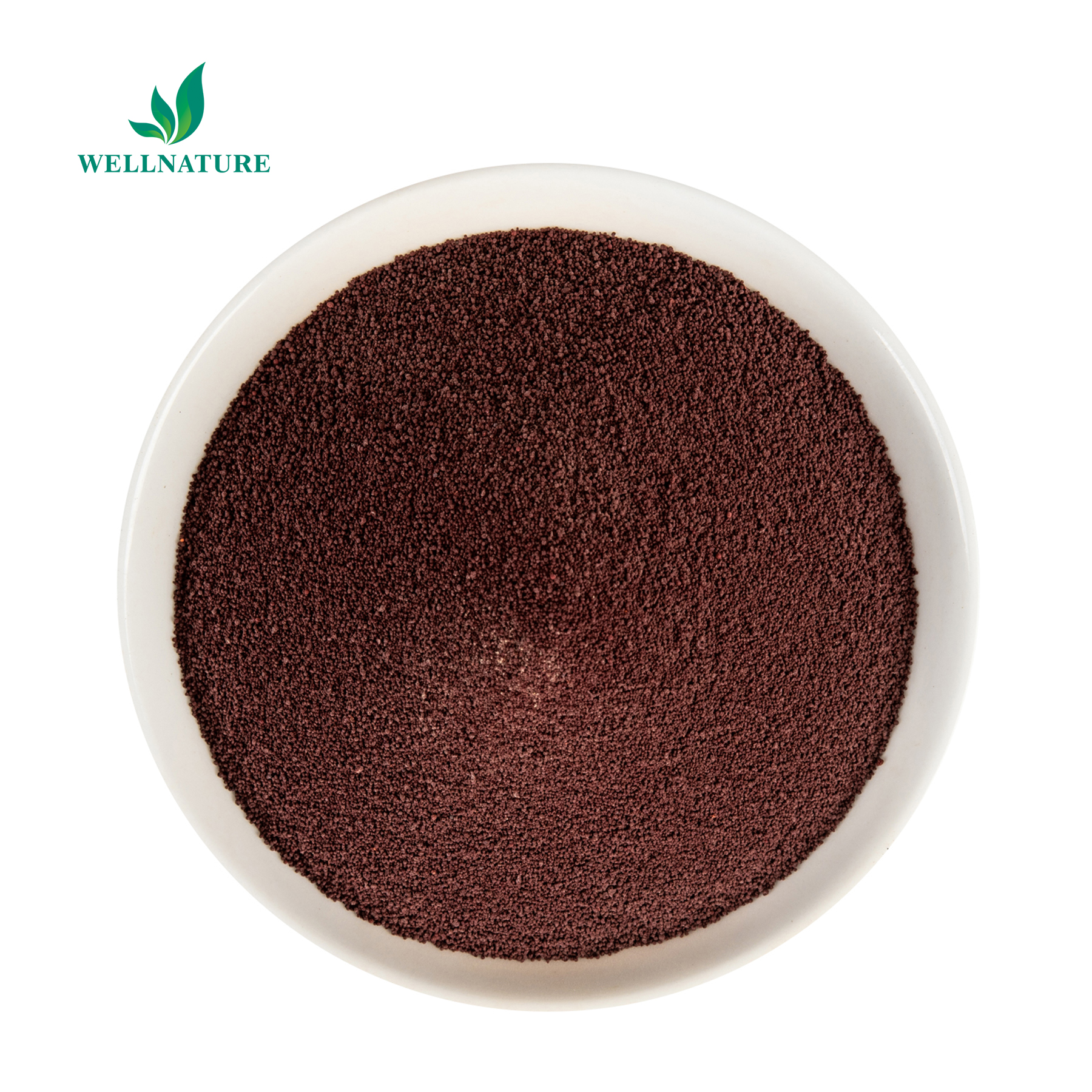
Berberine Hydrochloride (C₂₀H₁₈ClNO₄, CAS No. 633-65-8) is a quaternary isoquinoline alkaloid traditionally extracted from medicinal plants such as Berberis aristata, Coptis chinensis (Huanglian), and Phellodendron amurense. In human biochemistry, Berberine HCL functions as an extraordinary activator of the AMP-activated protein kinase (AMPK) pathway, often referred to as the metabolic master switch. By stimulating AMPK phosphorylation, Berberine works on cellular energy homeostasis, promoting insulin sensitivity, up-regulating glucose transporter type 4 (GLUT4) translocation, and mitigating hepatic gluconeogenesis.
For atoll populations in the Central Pacific, specifically in South Tarawa, Republic of Kiribati, this biological mechanism provides profound nutritional relevance. Over recent decades, traditional subsistence diets based on fresh reef pelagic fish, swamp taro (babai), breadfruit, and pandanus have been heavily augmented by imported ultra-processed foods rich in refined sugars, hydrogenated palm oils, and simple carbohydrates. The ensuing nutritional transition has driven a critical epidemiological challenge in South Tarawa: alarming incidences of Type-2 diabetes mellitus, metabolic syndrome, non-alcoholic fatty liver disease (NAFLD), and dyslipidemia.
Clinical pharmacology demonstrates that standard oral administration of Berberine HCL at 500 mg two to three times daily exhibits efficacy comparable to baseline pharmaceuticals such as Metformin, but through distinct multivalent cascades. Berberine improves gut microbiome architecture by selectively eliminating endotoxin-secreting Gram-negative bacteria, boosting short-chain fatty acid (SCFA) producing microbes, down-regulating systemic low-grade inflammation, and elevating the low-density lipoprotein receptor (LDLR) via post-transcriptional mRNA stabilization. For healthcare facilities, compounding pharmacies, and nutritional formulators operating across South Tarawa, sourcing chemically stable, high-potency Berberine HCL (≥97.0% HPLC assay) represents a proactive intervention to mitigate local chronic public health strain.
Translating pure pharmaceutical-grade Berberine HCL powder into targeted applications adapted to South Tarawa's unique climate, infrastructure, and dietary conditions.
Compound pharmacies, dispensaries, and public clinics in Betio, Bairiki, and Bikenibeu formulate Berberine HCL into encapsulated tablets to manage glycemic surges and alleviate postprandial glucose fluctuations among diabetic patients.
Given the reliance on fragile coastal lenses and rain catchment systems in atolls, digestive upset and bacterial gastroenteritis recur. Berberine’s broad-spectrum antimicrobial action against E. coli and amoebae offers an emergency functional intervention.
Small-scale swine and backyard poultry producers in Tarawa integrate feed-grade Berberine powder to replace restricted synthetic antibiotic growth promoters, curbing livestock bacterial diarrhea while supporting intestinal villi integrity under high heat.
Analyzing key structural shifts shaping botanical alkaloid importation into Western and Central Micronesia.
With public healthcare expenditure in Kiribati heavily committed to dialysis and advanced cardiovascular interventions, health agencies are leaning toward cost-effective botanical preventative agents. Berberine HCL exhibits unmatched efficacy-to-cost ratios for wide-scale metabolic wellness programs.
South Tarawa averages over 80% relative humidity year-round with relentless saline ambient air. Unprotected hygroscopic botanical extracts suffer caking, chemical hydrolysis, and mold spoilage within weeks. The market demands multi-layer aluminum vacuum-barrier packaging with desiccants to survive ocean freight and extended storage.
Island procurement officers are systematically rejecting unregulated loose powders. There is an increasing requirement for comprehensive analytical documentation including batch-specific HPLC chromatograms, heavy metal assays (lead, arsenic, cadmium, mercury), pesticide screen matrices, and USP/EP microbiological clearance.
Due to complex feeder vessel shipping routes (typically transshipping via Suva, Fiji or Brisbane, Australia into Betio Port), middleman markups compound costs. Buyers in Tarawa are establishing direct factory relationships with primary extractors to guarantee competitive FOB/CIF terms and guaranteed shelf-life stability.
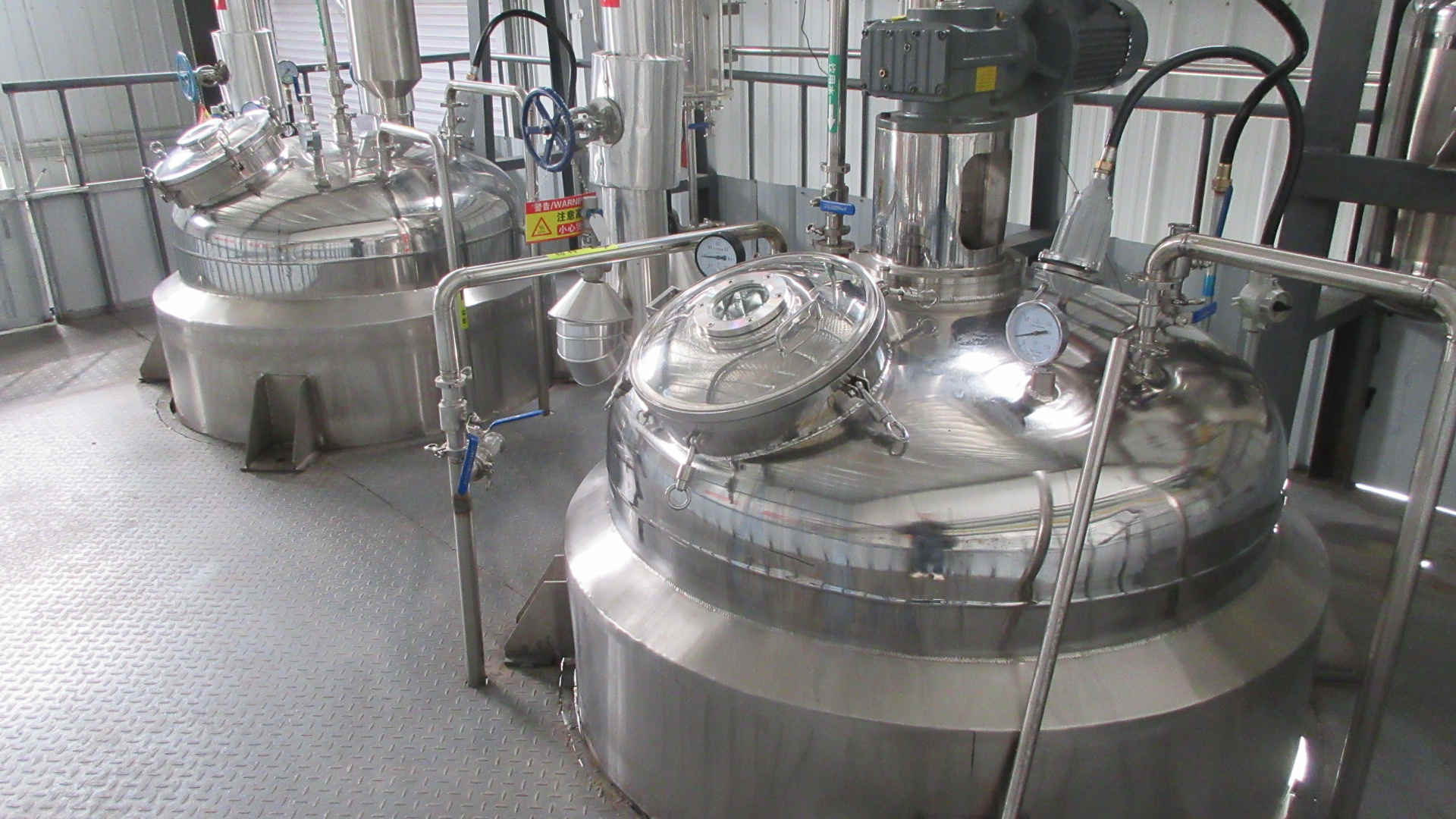
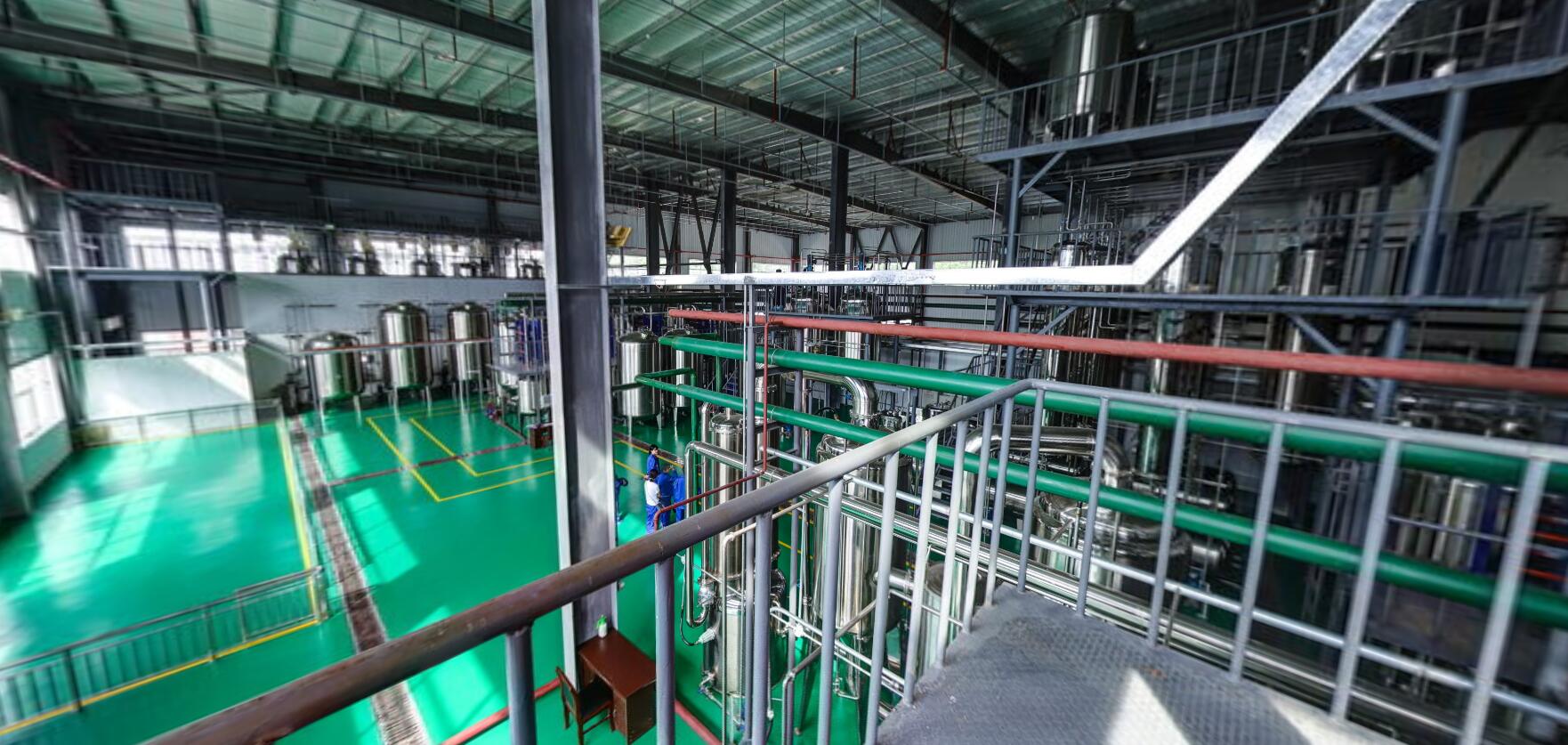
Headquartered in Xi'an, Shaanxi, China—the epicenter of botanical raw extraction—BKYULA Biotech operates full-cycle industrial facilities verified onsite by the SGS Group.
Our manufacturing and processing lines strictly comply with ISO 9001:2015, ISO 22000, and HACCP standards. For agricultural and animal husbandry lines, we maintain certified FAMI-QS compliance, as well as HALAL, KOSHER, and USDA/EU organic tracks.
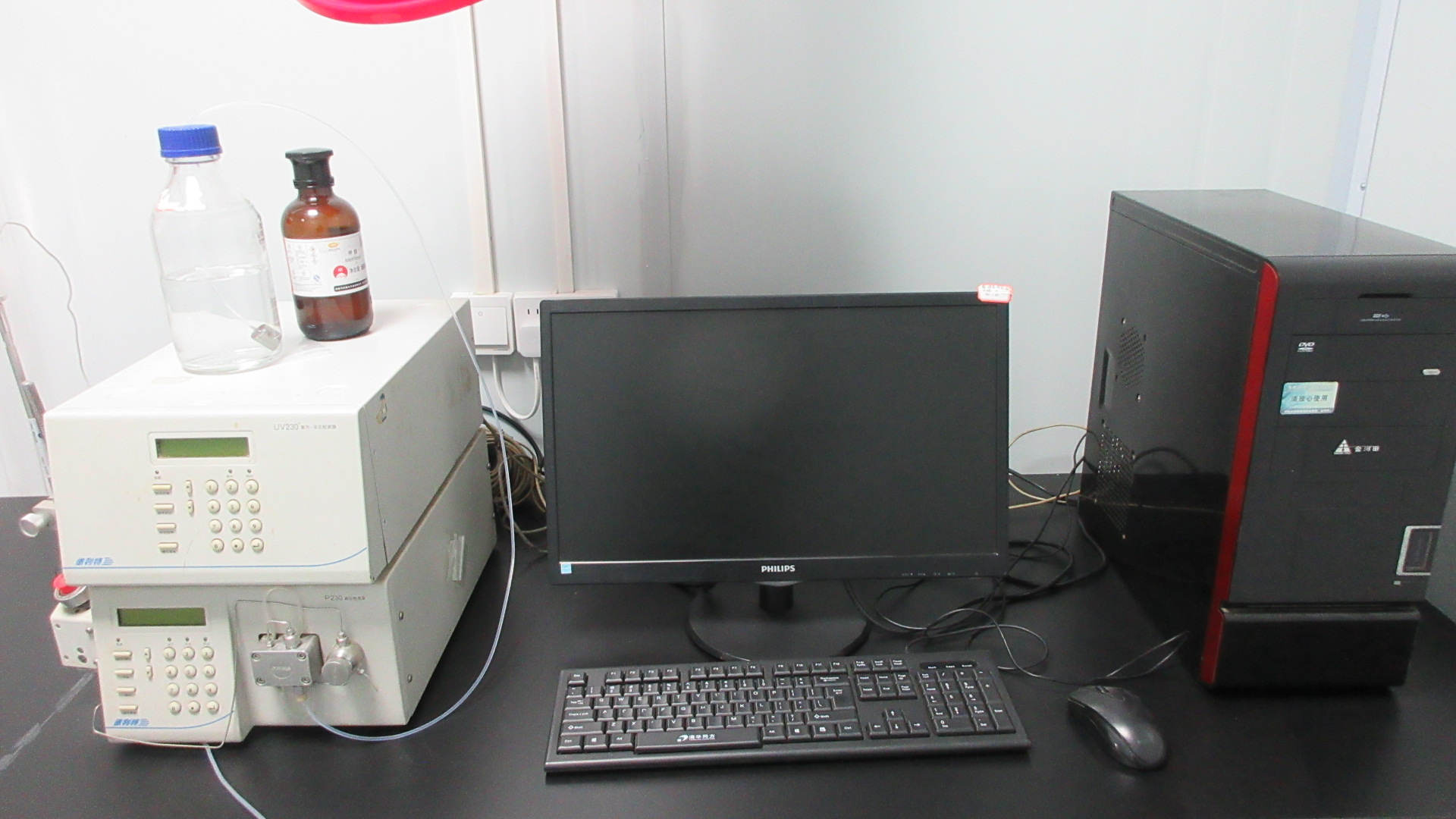
Every single batch of Berberine HCL is released only after rigorous verification on our twin HPLC systems, UV-Visible spectrophotometers, and microbial clean benches. We strictly control related alkaloids (e.g., jateorrhizine, palmatine) to comply with international pharmacopeia limits.
We routinely manage complex export documentation, fumigation certificates, Certificates of Analysis (COA), Material Safety Data Sheets (MSDS), and custom packing (aluminum foil vacuum bags within heavy-gauge fiber drums) built to withstand tropical maritime moisture on routes to Betio Port.
Addressing essential customs, maritime shipping, handling, and formulation queries from Kiribati importers.
Inquire today for batch COAs, sample dispatch to South Tarawa, or custom bulk CIF Betio quotations.