 English English
Verified analytical parameters, batch-to-batch consistency, and compliant documentation for European industrial buyers.

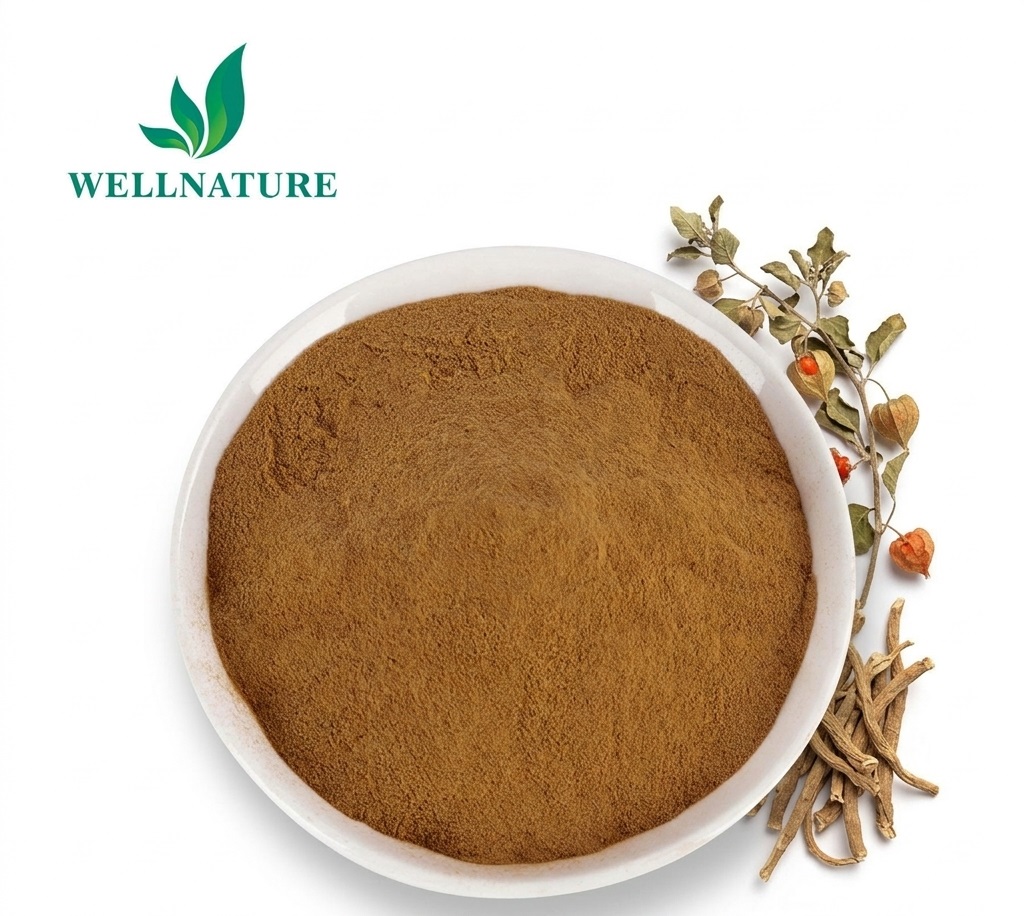
A rigorous biochemical evaluation designed for nutritional scientists, feed formulators, and compliance directors across the European Union.
Derived exclusively from the native desert xerophyte Yucca schidigera (commonly designated as Mojave yucca), this botanical extract possesses an intricate matrix of bioactive constituents dominated by steroidal saponins (primarily spirostane and furostane glycosidic frameworks, including sarsasapogenin, markogenin, and smilagenin) complemented by low-molecular-weight stilbenes, uniquely identified as yuccaols A, B, C, D, and E, alongside trans-resveratrol. For feed additives and veterinary nutraceutical manufacturers in the South Moravian region centered around Brno, sourcing raw materials with verifiable, unadulterated analytical profiles is critical under stringent European Union feed hygiene frameworks (Regulation (EC) No 183/2005) and additive authorisations (Regulation (EC) No 1831/2003).
The physiological efficacy of Yucca schidigera extract powder in animal digestive metabolic pathways hinges primarily upon two independent, synergistic biological mechanisms: non-enzymatic atmospheric binding and targeted microbial community modulation. First, the surface-active macromolecular properties of the steroidal saponins selectively modify the surface tension of digesta, facilitating higher nutrient absorption kinetics across the intestinal microvilli. Simultaneously, the specific saponin fractions exhibit targeted anti-protozoal activity by irreversibly binding with cholesterol complexes located within the cellular membranes of rumen ciliate protozoa and intestinal flagellates. This causes selective cell wall lysis without impairing crucial cellulolytic bacteria. Second, the distinctive macromolecular polysaccharides and glycocomponents present in raw whole-plant yucca extract exhibit an intrinsic chemical affinity for free gaseous ammonia ($NH_3$), directly converting noxious emissions into stable, unvolatilized microbial protein matrices within the cecum, rumen, and fecal slurries.
Verification through both Barium Hydroxide Gravimetric Assay (30%, 50%, 60%) and spectrophotometric UV determination. Full heavy-metal profiling through ICP-MS ensures strict adherence to Directive 2002/32/EC on undesirable substances.
Thermally stable during extreme feed compounding conditions. Maintains structural integrity during single-screw and twin-screw extrusion up to 135°C and steam pelleting conditioning pressures exceeding 2.5 bar.
Manufactured under ISO 22000 and FAMI-QS certified protocols. Audited by SGS Group to guarantee zero cross-contamination, free from synthetic carrier adulteration, and validated for pure food and feed grade registrations.
Furthermore, recent collaborative veterinary studies published across Central European agro-institutes demonstrate that the stilbenoid fractions (yuccaols) contribute substantial anti-inflammatory and radical-scavenging properties. By down-regulating nuclear factor kappa B (NF-$\kappa$B) gene expression in porcine and canine enterocytes, Yucca schidigera extract mitigates chronic subclinical gut barrier inflammation, drastically reducing wet droppings in broiler chicken operations and lowering fecal volatile organic compounds (VOCs) that cause severe odor complaints in suburban animal production facilities.
Addressing the specific regulatory, environmental, and commercial demands of livestock integration and pet food production in Moravia.
The City of Brno and the surrounding South Moravian Region (Jihomoravský kraj) represent a primary agro-industrial and veterinary science corridor in Central Europe. With deep roots connected to the University of Veterinary Sciences Brno (VETUNI) and the Institute of Animal Science, local feed manufacturers and functional pet food compounders are positioned at the cutting edge of non-antibiotic digestive additives and environmental mitigation technologies.
Brno is home to major private-label extruded pet food producers. Yucca extract is uniformly dosed at 150–250 g/tonne to complex hydrogen sulfide and methyl mercaptans, delivering proven fecal odor reduction claims for premium domestic dry kibbles.
Moravian commercial livestock operations face severe national air-quality caps. In-feed inclusion of standardized 50% yucca saponin powder drops indoor barn ammonia ($NH_3$) concentrations by up to 48%, minimizing respiratory distress and veterinary costs.
Supporting carp, trout, and recirculating aquaculture systems (RAS) across South Bohemia and Moravia. Saponins reduce free un-ionized ammonia in closed aquatic tanks, optimizing dissolved oxygen efficiency and mitigating gill epithelial damage.
In response to the stringent European Green Deal and the National Emission Reduction Targets in the Czech Republic, livestock producers around Brno are transitioning rapidly toward natural, plant-derived feed additives. BKYULA Biotech supplies high-solubility Yucca Schidigera powder that directly integrates with automated premix micro-dosers, guaranteeing non-caking flowability across continuous production runs.
Macroeconomic shifts driving procurement protocols for animal health and sustainable agriculture.
According to ongoing agricultural assessments across Central and Eastern Europe, the commercial application of natural botanicals in livestock feed is expanding at a projected CAGR of 7.4% through 2030. Key trends redefining buyer demands in Brno include:
1. Stringent Anti-Adulteration Audits: Previously, bulk traders distributed cut-rate yucca powders adulterated with cheap quillaja or agricultural carriers. Modern purchasing departments at Moravian mills require HPLC fingerprints and gravimetric confirmation before approving deliveries to guarantee full EU feed hygiene compliance.
2. Eco-Friendly Odor Control in Peri-Urban Farming: Urban expansion in Brno has brought residential zones adjacent to modern swine and poultry farms. Odor abatement is no longer merely an animal-welfare preference; it is a regulatory requirement enforced by the Czech Environmental Inspectorate (ČIŽP).
3. Natural Organic Certification Support: With rising demand for organic certified eggs and meat in Czech retail chains (Albert, Billa, Tesco), formulations require unadulterated botanical ingredients free of ionizing radiation, synthetic anti-caking agents, or solvent contaminants.
Fully certified quality management and comprehensive laboratory testing protocols behind every batch shipped to the Czech Republic.
BKYULA Biotech operates dedicated extraction, concentration, drying, milling, and analytical laboratories verified onsite by SGS Group. Backed by nearly 14 years of production refinement, our multi-functional stainless steel extraction tanks and low-temperature vacuum concentration units safeguard sensitive botanical constituents from thermal degradation.
Our infrastructure operates under ISO 9001:2015, ISO 22000, and HACCP standards, alongside official HALAL, KOSHER, and specialized FAMI-QS feed safety certifications.
Every lot must pass rigorous analytical gatekeeping before clearance: active assay verification, loss-on-drying, 80–100 mesh sieving, and full pathogen panel testing (Salmonella, E. coli, yeasts, and molds).
Flexible commercial Incoterms (FOB, CIF, CIP, DDP) supporting sea, air, and rail freight direct to Brno bonded warehouses, complete with pre-cleared customs and batch COA dossiers.
Crucial details addressing regulatory verification, minimum order quantities, and logistics for Central European purchasers.
Request comprehensive batch Certificates of Analysis (COA), safety data sheets (MSDS), pilot samples, and transparent contract pricing for your Brno operation.