 English English
Precision-engineered herbal extracts and metabolic support powders developed under ISO 9001, ISO 22000, and cGMP-certified manufacturing standards to complement custom synbiotic and prebiotic formulations.

A rigorous examination of carbohydrate polymer science, colonic microbial fermentation kinetics, processing thermotolerance, and clean-label carrier engineering for brand formulators.
Inulin, a naturally occurring storage carbohydrate belonging to the fructan class, consists predominantly of β-(2→1) fructosyl-fructose glycosidic linkages terminating in a single α-D-glucose moiety. As industrial Custom OEM Inulin Prebiotic Powder Manufacturers, our contract manufacturing operations isolate, purify, and fractionate inulin derived from chicory root (Cichorium intybus) and Jerusalem artichoke (Helianthus tuberosus). The structural versatility of inulin stems directly from its degree of polymerization (DP), which determines its gastrointestinal transit resistance, colonic fermentation rate, water solubility, viscosity, and sensory attributes within finished nutraceutical applications.
Unlike simple oligosaccharides, native and long-chain inulins bypass gastric acid breakdown and pancreatic enzymatic hydrolysis in the upper gastrointestinal tract entirely. Upon entering the cecum and ascending colon, inulin acts as a selective substrate for saccharolytic fermentation by commensal taxa, particularly Bifidobacterium species and specific members of Lactobacillus and Roseburia. This biological pathway yields potent short-chain fatty acids (SCFAs)—predominantly acetate, propionate, and butyrate—lowering colonic luminal pH, enhancing mucin synthesis, and regulating tight-junction permeability.
Rapidly fermentable in the proximal colon. Imparts subtle natural sweetness (30–35% of sucrose) and exhibits instantaneous cold-water dispersion. Ideal for RTD beverages, pediatric syrups, and flavor-masked effervescent tablets.
The universal clean-label workhorse. Neutral organoleptic profile, medium solubility (approx. 10% at 20°C), and exceptional moisture retention. Balances proximal and distal gut fermentation while functioning as an effective fiber bulking agent.
Fractionated long-chain fructans engineered for slow, sustained distal colon fermentation without bloating. Forms a creamy microcrystalline gel network in aqueous matrices, functioning as a 1:1 caloric-free fat replacer in emulsions and dairy.
| Analytical Parameter | Short-Chain Oligofructose (FOS) | Standard Native Chicory Inulin | High-Performance (HP) Inulin | Agglomerated Instantized Grade |
|---|---|---|---|---|
| Degree of Polymerization (DP) | 2 – 8 | ≥ 10 (Avg. 10–12) | ≥ 23 (Avg. 25–30) | Customized (≥ 10) |
| Dry Substance Assay (Fructan Content) | ≥ 93.0% (HPLC-ELSD) | ≥ 90.0% – 92.0% | ≥ 99.5% | ≥ 90.0% |
| Free Sugars (Fructose + Glucose + Sucrose) | ≤ 7.0% | ≤ 8.0% – 10.0% | ≤ 0.5% (Ultra-Low Sugar) | ≤ 9.0% |
| Solubility in Water (20°C) | > 750 g/L (Complete clarity) | Approx. 120 g/L | < 20 g/L (Suspension/Gel) | Fast Wetting (< 15 sec) |
| Bulk Density (Tapped) | 0.60 – 0.75 g/mL | 0.45 – 0.60 g/mL | 0.30 – 0.45 g/mL | 0.35 – 0.45 g/mL (Low-Dust) |
| Glass Transition Temperature ($T_g$) | Approx. 62°C | Approx. 95°C | Approx. 128°C | Calibrated for stability |
Market shifts, supply resilience dynamics, and clean-label regulatory transitions driving purchasing decisions across the global nutraceutical and functional beverage sectors.
As enterprise brands adapt to rigorous consumer scrutiny, the procurement landscape for wholesale prebiotic powders is undergoing structural modernization. Purchasing executives and chief formulation officers are shifting away from commoditized single-source fiber ingredients toward verified contract manufacturers capable of guaranteeing molecular consistency, supply resilience, and transparent environmental certifications.
1. Replacement of Synthetic Bulking Agents with Functional Prebiotics: Brand owners are systematically phasing out maltodextrin, polydextrose, and corn syrup solids in stick-packs, protein shakes, and meal replacements. OEM inulin powder serves as a dual-function solution: delivering mechanical bulking and mouthfeel improvement while legally securing high-fiber, gut-health front-of-package marketing claims.
2. Climate-Resilient Dual Sourcing (Chicory vs. Jerusalem Artichoke): Recurring agricultural vulnerabilities across Western Europe have accelerated brand demand for diversified extraction bases. BKYULA Biotech operates robust supply chains extracting inulin from both traditional chicory roots and hardy Jerusalem artichoke tubers, mitigating raw material inflation and ensuring year-round inventory continuity.
3. Strict Low-FODMAP and Distal-Targeted Fermentation Profiles: While traditional FOS offers rapid bifidogenic stimulation, it frequently causes flatulence and osmotic diarrhea in sensitive cohorts. Enterprise buyers increasingly specify high-DP fractionated inulin, which travels deeper into the distal colon before complete microbial degradation, enabling brands to formulate digestive-comfort-certified powders.
Contract manufacturing of inulin powder has transcended basic root boiling and spray-drying. Modern production involves membrane ultrafiltration, ion-exchange demineralization, enzymatic tailoring, and fluidized-bed agglomeration to meet the mechanical demands of modern high-speed packaging equipment.
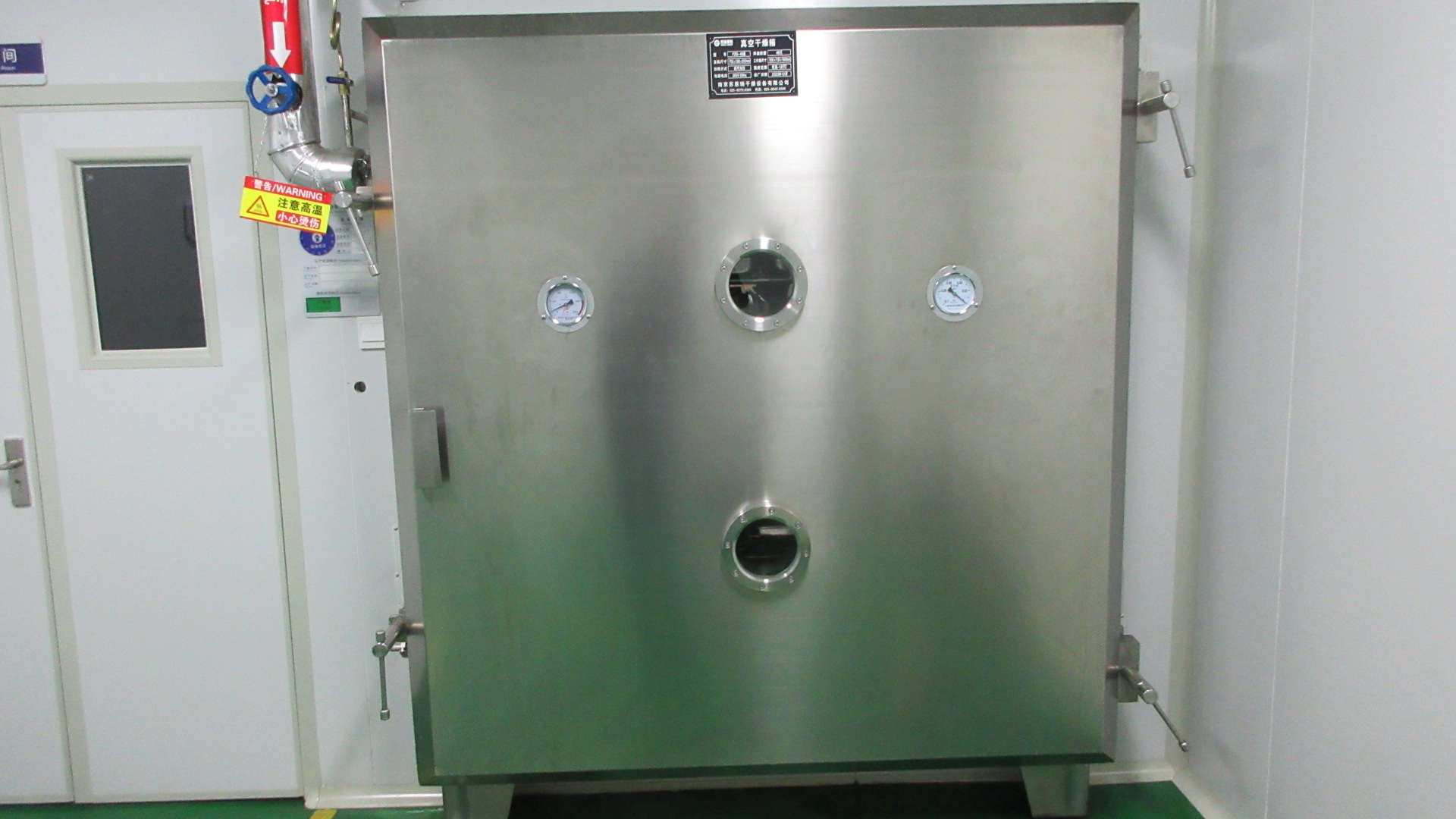
Synbiotic Co-Processing & Moisture Control: Live probiotic strains (e.g., Bacillus coagulans, Bifidobacterium lactis) degrade rapidly when exposed to unbound moisture in powder blends. Advanced vacuum drying processes drop inulin water activity ($a_w$) below 0.20, stabilizing the carrier matrix. Inulin acts as a physical protective sheath, shielding lyophilized probiotic cell walls against ambient oxidation and shear force during high-speed capsule filling.
Fluidized Agglomeration for Instant Dispersibility: Fine native inulin powder (100–200 mesh) is inherently hygroscopic and prone to gelatinous clumping when introduced into unheated liquids. Our proprietary agglomeration engineering re-structures inulin particles into porous, low-dust micro-granules (30–60 mesh). This modification drastically reduces surface tension upon hydration, achieving complete wetting and sinkability within 15 seconds without vigorous mechanical agitation.
BKYULA Biotech Co., Ltd. combines nearly 15 years of extraction expertise with independent SGS onsite verification, exporting over US$4.28M annually across 5 global continents.
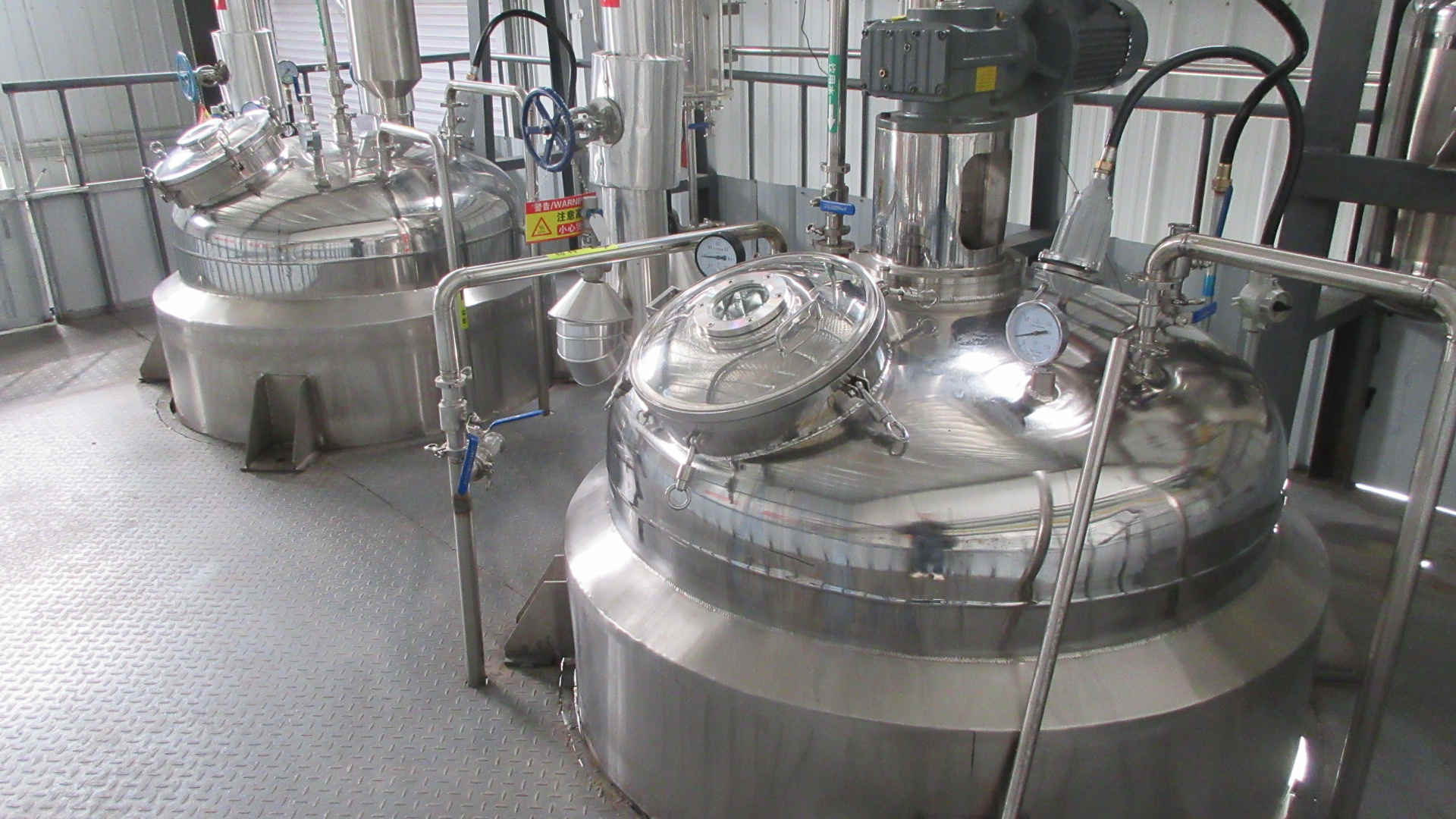
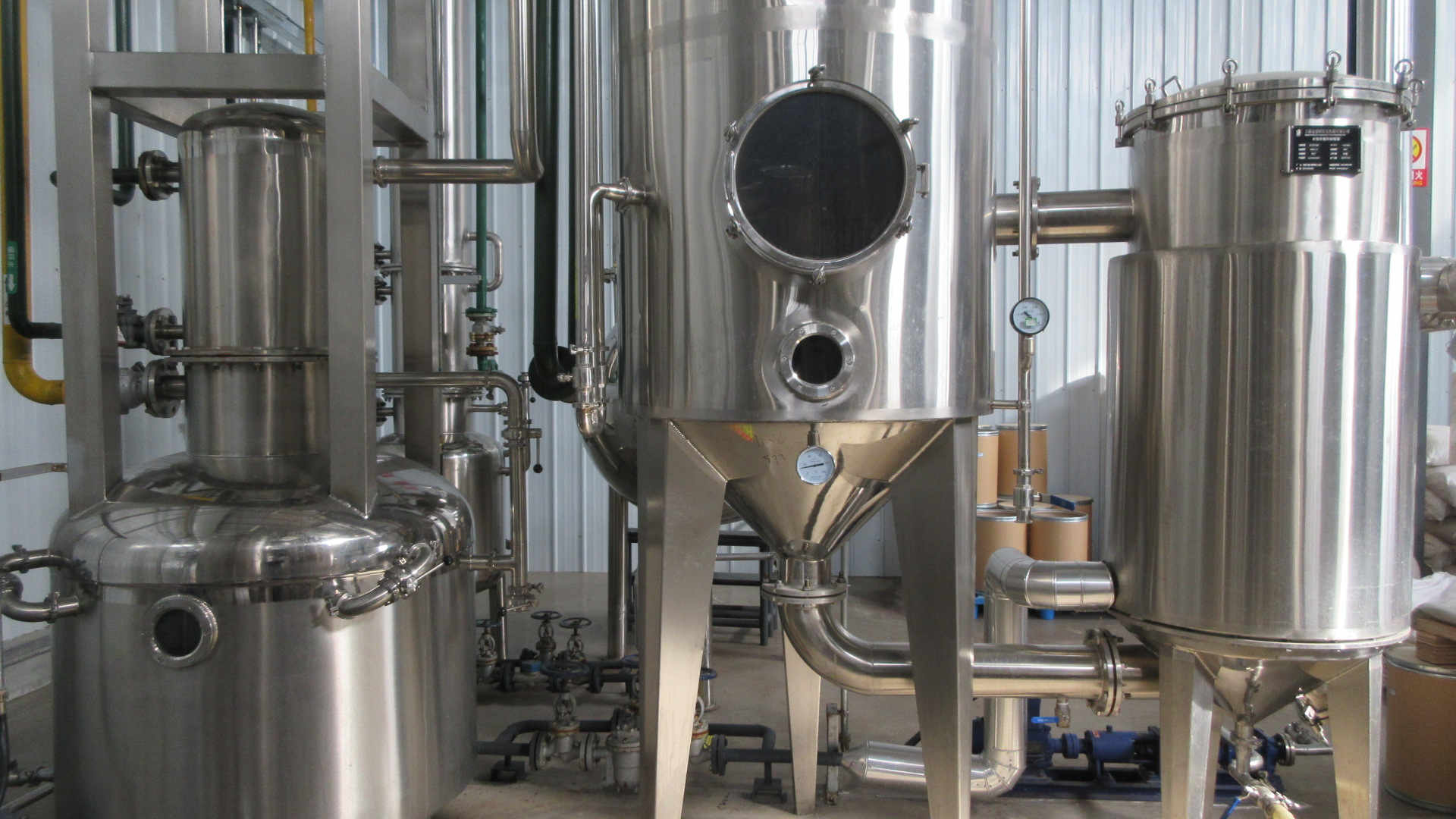
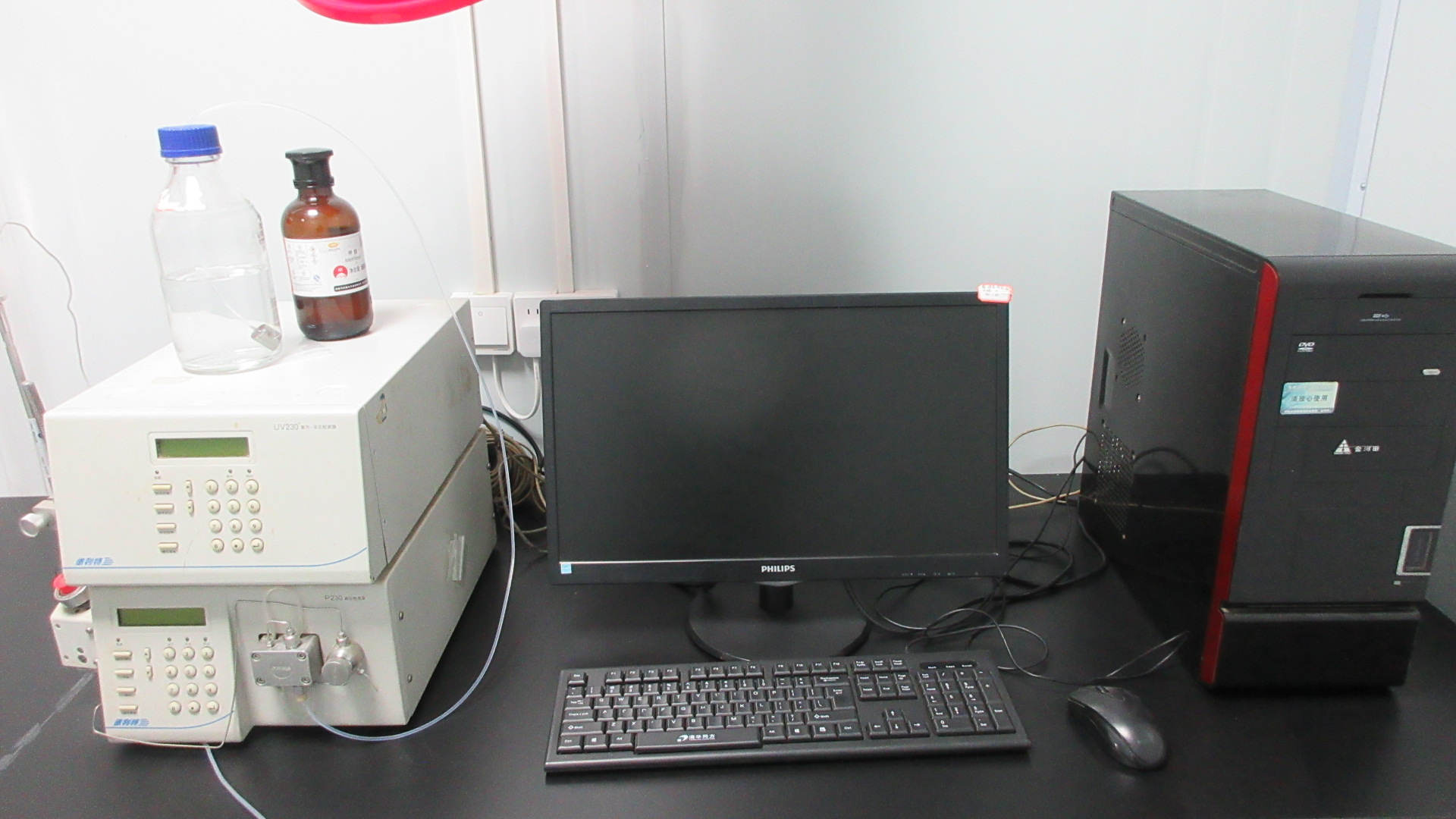
Our Xi'an production facility operates under strict pharmaceutical-grade environmental controls, integrating closed-loop stainless steel extraction tanks, vacuum concentration chambers, and automated drying towers. Quality assurance is maintained through our dedicated analytical testing center, where raw botanical inputs, in-process fructan purifications, and finished powder lots undergo comprehensive HPLC, UV-Vis spectrophotometry, and microbial assay testing prior to release.
Crucial commercial, technical, and regulatory answers addressing chain length selection, custom packaging, MOQ thresholds, and compliance documentation.
Connect with our technical formulation team to request batch-specific COAs, material specification sheets, pilot sample kits, or custom OEM contract manufacturing quotations.