 English English
Manufactured according to standardized extraction protocols with batch-tested HPLC/UV validation, comprehensive heavy metal surveillance, and stringent micro-biological safety.

Years Extraction R&D Mastery
Annual Audited Export Volume
Global Accreditations (ISO/FAMI-QS)
Audited B2B Transaction Rating
An engineering overview for formulators, compliance officers, and global pharmaceutical purchasing managers.
In the functional nutraceutical, pharmaceutical, and preventative longevity sectors, sourcing high-integrity Reishi Mushroom Extract (Ganoderma lucidum) requires far more than basic botanical classification. Procurement executives face significant market fragmentation driven by raw material adulteration, misrepresentation of fruiting bodies versus grain-grown mycelium, and non-validated generic spectrophotometric testing. As global regulatory bodies—such as the US FDA, European EFSA, and Australian TGA—tighten testing rules on identity validation, verifying botanical heritage and molecular purity is critical.
Top-tier natural botanical ingredient exporters implement strict chromatographic and spectroscopic methods to protect active ingredient consistency. Authentic medicinal Reishi contains two major primary therapeutic compound groups: Water-soluble β-(1→3)(1→6)-D-glucans and Ethanol-soluble oxygenated triterpenoids (specifically Ganoderic acids A, B, C2, and D). Inferior commodity powders frequently rely on high maltodextrin carriers or unfermented starch backbones to simulate true fungal polysaccharide levels. Ensuring your supply chain is tied directly to dedicated primary extraction infrastructure prevents regulatory rejection and guarantees product efficacy.
Standardized yields require sequential thermal water decoction to cleave resilient chitinous cell walls, releasing high-molecular-weight β-glucans, followed by closed-loop pure ethanol reflux to concentrate bitter triterpenoid profiles. Our multi-stage low-temperature concentration protects bioactive compounds from thermal breakdown.
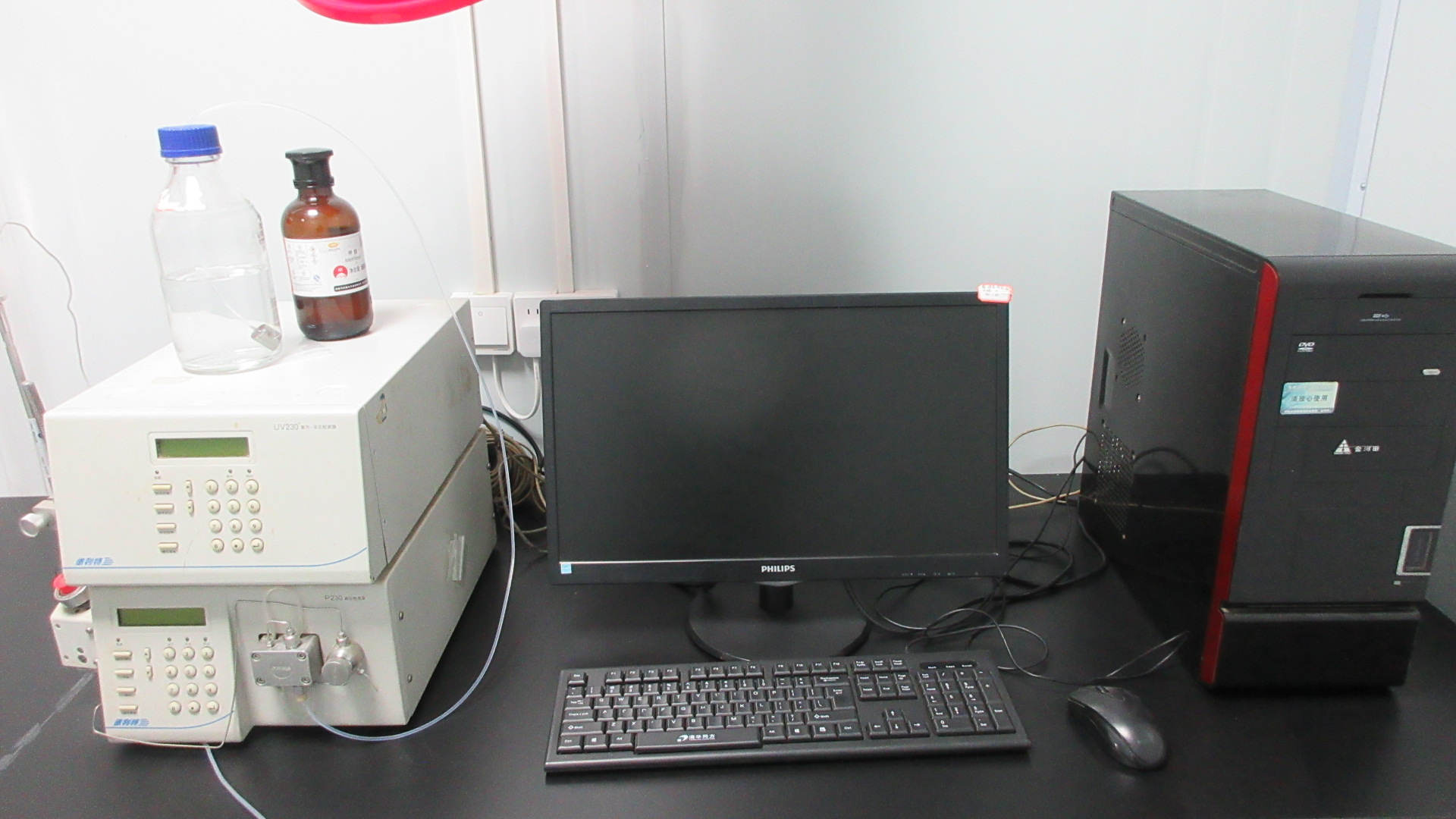
Eliminate adulteration from adulterated starch or synthetic fillers through rigorous high-performance liquid chromatography (HPLC) and specific enzymatic β-glucan assays (Megazyme method). Total polysaccharides via non-specific UV/Vis phenol-sulfuric acid are cross-referenced with internal ethanol precipitation ratios.
Direct lot tracking provides complete chain-of-custody documentation: Validated certificates of analysis (COA), full safety data sheets (MSDS), ICP-MS heavy metals testing (Pb ≤ 1.0 ppm, As ≤ 1.0 ppm, Cd ≤ 0.5 ppm, Hg ≤ 0.1 ppm), residual solvent analysis, and pesticide screens compliant with USP <561> and Ph. Eur.
| Evaluation Parameter | Commodity-Grade Powder | Grain-Cultured Mycelium Biomass | BKYULA Pharmaceutical-Grade Extract |
|---|---|---|---|
| Raw Material Source | Field-waste biomass / Non-inspected caps | Oat, rye, or brown rice grain substrates | 100% Solid-wood log (Duanwood) fruiting body |
| Bioactive Marker Standardization | Indeterminate assay (<10% non-specific sugars) | Starch-diluted (α-glucans up to 60-70%) | Standardized 30% Polysaccharides / 15-20% β-Glucan / 2-6% Triterpenes |
| Carrier Substance Ratio | High dextrin / Corn starch (>30-50%) | Grain remnants present in final blend | Zero unapproved filler; Pure water-soluble formulation |
| Extraction Methodology | Single crude ambient water wash | Mechanical milling without chitin separation | Sequential multi-stage dynamic hydro-ethanolic extraction |
| Solubility Profile | Precipitates heavily; gritty mouthfeel | Turbid, insoluble grain residue | Instant clarity, 100% water dispersion in warm/cold solvent |
Navigating consumer demand shifts, green extraction mandates, and next-generation delivery platforms.
Global buyers are moving away from sawdust or bagged compost mediums. Brands now specify Duanwood (wild-cut oak wood log) cultivation, replicating the natural wild micro-environment. This natural growing method produces higher baseline concentrations of ganoderic acids and reduces environmental pollutant buildup.
Because hydrophobic triterpenoids and large β-glucan complexes have limited gastrointestinal absorption, demand is accelerating for liposomal encapsulation and micronized powders. This processing maintains active integrity while boosting bioavailability in systemic applications.
Regulatory scrutiny around petrochemical residuals has catalyzed continuous investment in subcritical water processes and closed-loop bio-ethanol regeneration systems. Contract manufacturers require zero petrochemical solvents to pass clean-label audits in North America and Western Europe.
Modern RTD beverages, functional coffees, and powdered adaptogenic elixirs require micro-pulverized (80–120 mesh) extracts that do not precipitate. Precise control over spray drying ensures clean dispersion in automated packaging lines without clumping or dusting issues.
Combining 15 years of botanical research, an onsite SGS-verified facility, and fully equipped in-house testing laboratories in Xi'an, Shaanxi, China.
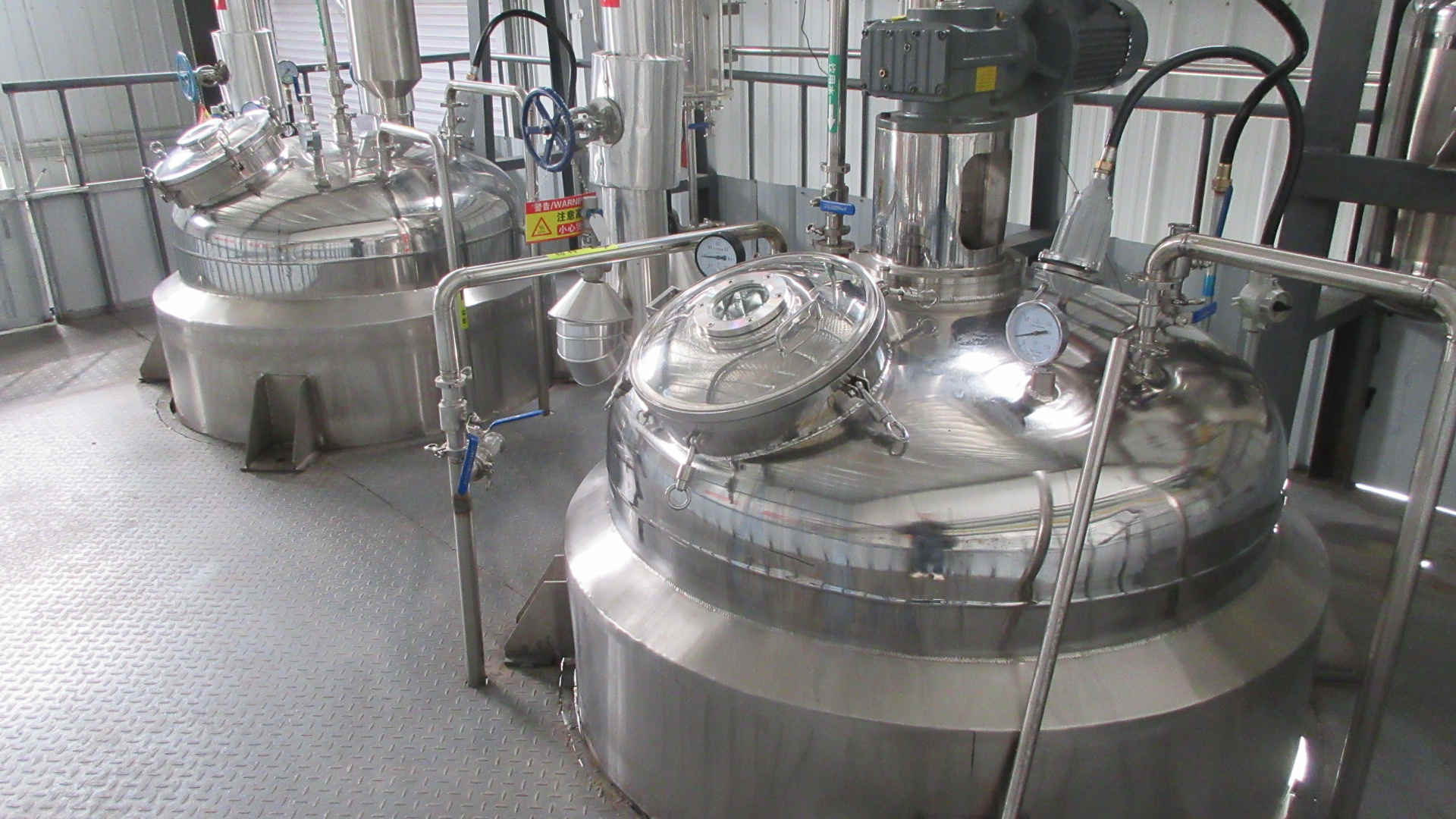
Operating multi-functional stainless steel extraction tanks, low-temperature vacuum evaporators, advanced spray-drying towers, and dedicated cleanrooms. Our operations handle small-batch custom runs (MOQ starting at 1 kg) up to large multi-ton commercial container shipments.
Our quality management systems are certified to ISO 9001:2015, ISO 22000, and HACCP standards. Animal nutrition products meet FAMI-QS guidelines, while consumer formulations are supported by KOSHER, HALAL, USDA Organic, and EU Organic certifications.
From custom extraction ratios and bioactive standardization to precision dry mixing, granulation, tableting, and private-label packaging. We help brand owners accelerate formula development from bench-scale testing to scaled-up retail production.

Essential points covering extraction specifications, quality verification, logistics, and documentation.
We do not rely solely on non-specific UV-Vis phenol-sulfuric acid testing, which can be fooled by carriers like maltodextrin. Instead, we use enzymatic test kits (such as the Megazyme assay) to break down and measure total glucans alongside free α-glucans. This isolates true fungal β-(1→3)(1→6)-D-glucan fractions down to a 0.5% margin of error.
For standard pilot runs and formula trials, our baseline MOQ starts at 1 kg. For specialized compounds (like pure PDRN salmon DNA or concentrated sulforaphane), test volumes are available from 1 gram. Standard bulk packaging is shipped in 25 kg multi-layer moisture-barrier fiber drums with double PE food-grade liners.
Every commercial batch includes a formal batch-specific Certificate of Analysis (COA) detailing physical mesh distribution, loss on drying, tapped bulk density, active marker assays (HPLC/UV), pesticide residue screening, ICP-MS heavy metals, and microbiological counts. We also provide full technical specification sheets, allergen disclosures, non-GMO statements, and GHS-compliant Safety Data Sheets (MSDS).
We work with global B2B procurement setups under standard commercial terms, including FOB Shanghai/Qingdao, CIF, CFR, EXW, CIP, and full DDP (Delivered Duty Paid) door-to-door air/ocean freight. Accepted payment instruments include international Wire Transfer (T/T), confirmed irrevocable Letters of Credit (L/C at sight), D/P, PayPal, and major corporate credit cards.
Connect with our technical sales specialists to request current batch Certificates of Analysis, regulatory dossiers, third-party SGS inspection documents, and working trial samples.
Get Catalog