English English
BKYULA Biotech supplies high-grade botanical extracts, vitamins, and physiological nutrients certified under ISO 9001, ISO 22000, HACCP, HALAL, KOSHER, and FAMI-QS.
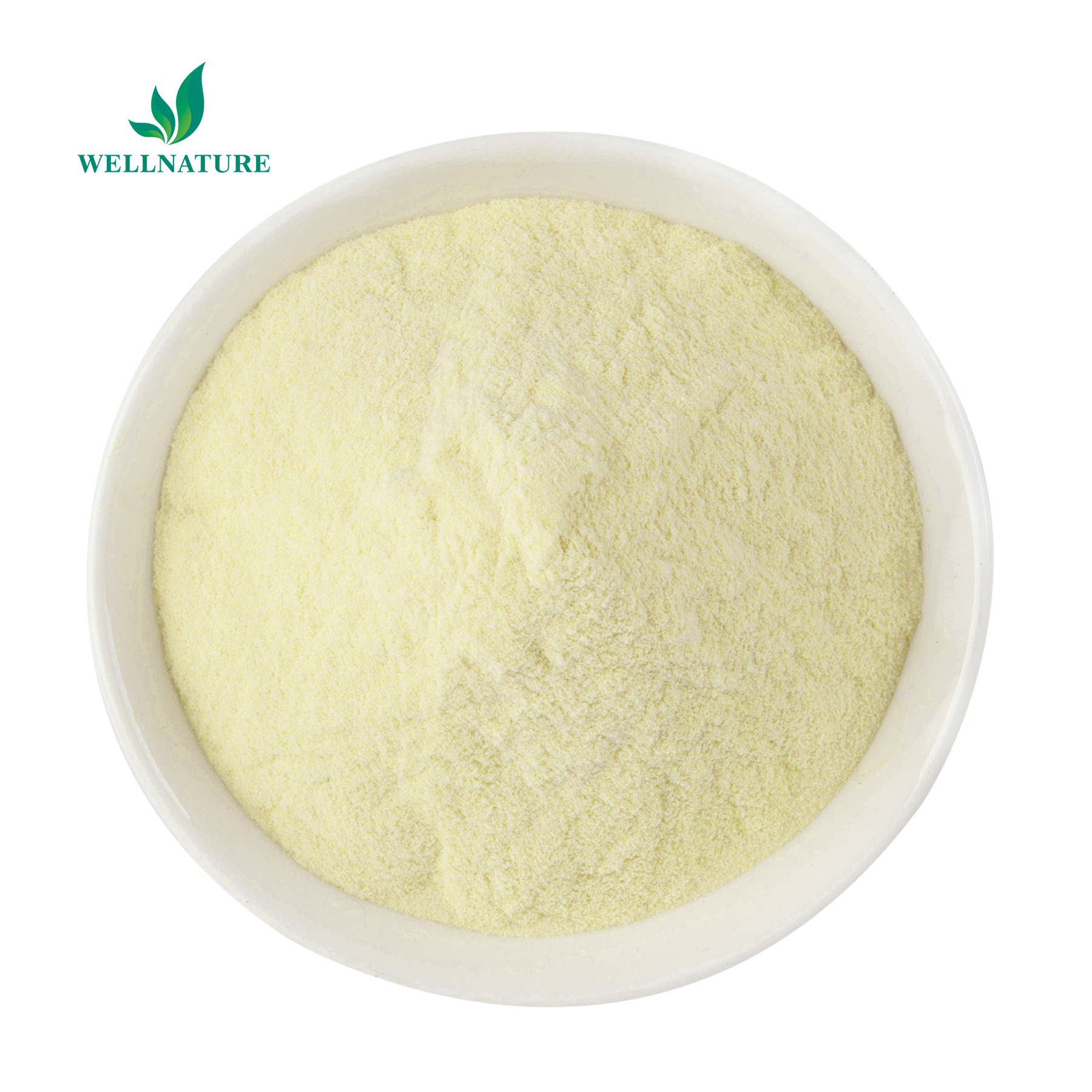

L-Ascorbic Acid (CAS Reg. No. 50-81-7, Formula C₆H₈O₆, Mol. Weight 176.12 g/mol) is universally acknowledged as a primary biological antioxidant, enzyme cofactor, and reducing agent in industrial processing. BKYULA Biotech manufactures ascorbic acid powder via a state-of-the-art, two-step submerged fermentation process originating from high-grade natural D-glucose. Through microbial conversion into 2-keto-L-gulonic acid (2-KLG) by proprietary bacterial strains, followed by controlled acid-catalyzed lactonization and continuous multi-stage recrystallization, our chemical processing eliminates hazardous solvent residues while guaranteeing an enantiomerically pure crystalline structure.
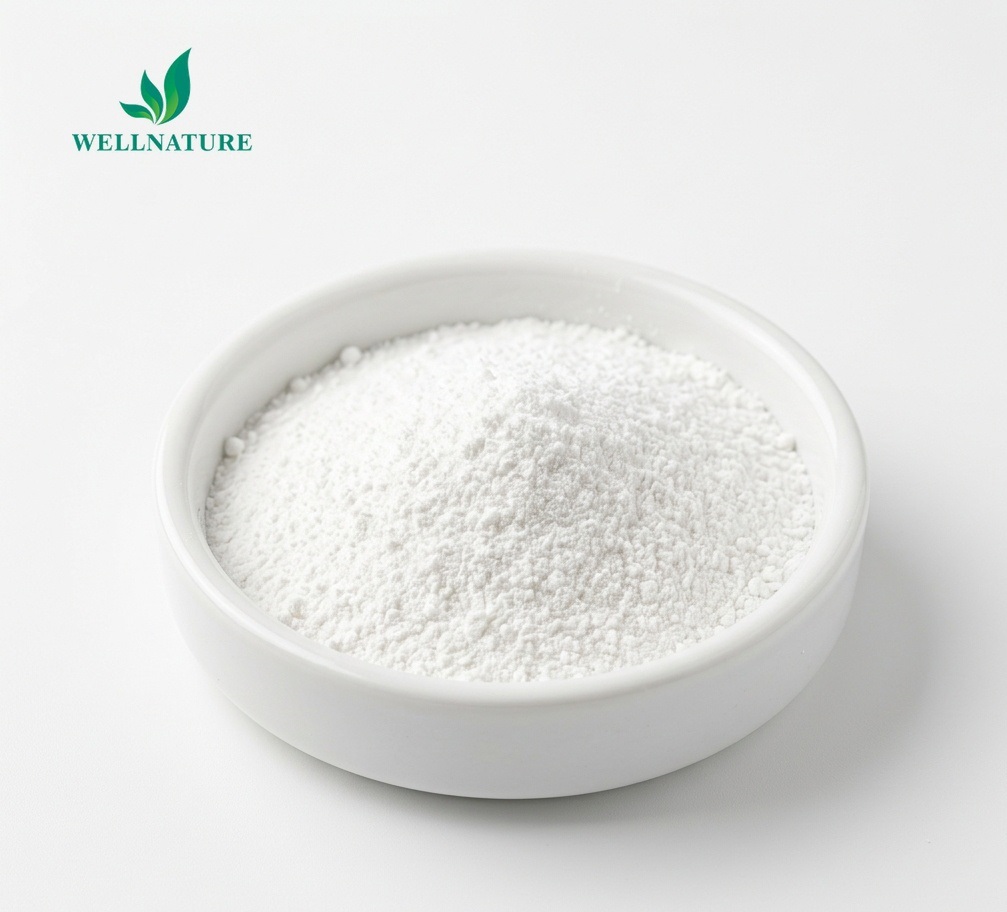
For industrial buyers, compound stability remains the pivotal challenge. Free crystalline ascorbic acid is susceptible to oxidative degradation when exposed to atmospheric oxygen, ambient moisture, trace ferric or cupric ions, and elevated processing temperatures. In aqueous environments, ascorbic acid oxidizes reversibly to dehydro-L-ascorbic acid and irreversibly hydrolyzes into 2,3-diketogulonic acid, resulting in loss of physiological potency and yellow-to-brown chromophore formation. To resolve this for demanding manufacturing matrices, BKYULA Biotech engineers four distinct physical grades optimized for specific shearing, dissolution, and thermal profiles:
Designed for rapid, homogeneous dry dispersion in powdered beverages, pharmaceutical sachet blends, and micronized cosmetic serums requiring instant dissolution without gritty mouthfeel.
Possesses superior bulk powder flowability, minimizing dusting and pneumatic conveying blockages in automated bottling plants, beverage carbonation units, and dry seasoning hoppers.
Engineered with a pharmaceutical-grade ethylcellulose or hydrogenated vegetable lipid matrix (97.5% active assay), isolating ascorbic acid from heat, yeast, and oxygen in baking and meat curing.
| Test Parameter | Ph. Eur. / USP Standard | BKYULA Factory Typical Assay | Analytical Methodology | Compliance Status |
|---|---|---|---|---|
| Appearance | White or almost white crystalline powder | Conforms (Pure white crystals) | Visual inspection | Verified |
| Chemical Assay (Dry Basis) | 99.0% – 100.5% | 99.85% – 100.12% | Iodimetric Titration / HPLC | Passed |
| Specific Optical Rotation | +20.5° to +21.5° | +20.9° to +21.2° | Polarimetry (10% w/v aqueous) | Ph. Eur. Monograph |
| Heavy Metals (as Pb) | ≤ 10 ppm | < 3.0 ppm | ICP-MS | Ultra-Pure |
| Arsenic (As) | ≤ 3.0 ppm | < 0.2 ppm | Atomic Absorption Spectrophotometry | Safety Assured |
| Loss on Drying (Moisture) | ≤ 0.40% | 0.12% – 0.18% | Gravimetric drying at 105°C | Low Moisture |
| Residue on Ignition (Sulfated Ash) | ≤ 0.10% | 0.03% – 0.05% | Muffle furnace at 600°C | Conforms |
| Total Aerobic Microbial Count | ≤ 1,000 CFU/g | < 50 CFU/g | Microbiological Plate Incubation | Clean Room Grade |
From the agricultural vineyards of the Zeta-Skadar Valley to Adriatic wellness manufacturing and northern artisanal meat curing, ascorbic acid acts as an irreplaceable processing agent.
Montenegro's storied viticultural heritage—centered around indigenous Vranac and Krstač varietals cultivated by commercial wineries like 13. Jul-Plantaže and boutique cellars across Crmnica—demands rigorous oxidation control. Ascorbic acid is employed as an essential synergistic agent alongside sulfur dioxide (SO₂). It rapidly scavenges dissolved oxygen during cold-settling, racking, and bottling, converting oxygen molecules into dehydroascorbic acid and protecting delicate aromatic monoterpenes and volatile thiols from browning.
The Montenegrin dry-cured ham (Njeguški pršut) and charcuterie industry relies on strictly calibrated cure accelerators. Food-grade L-Ascorbic Acid (E300) and Sodium Ascorbate (E301) reduce added sodium nitrite into nitric oxide (NO) at accelerated reaction kinetics. This promotes immediate, stable nitrosylmyoglobin pigmentation, locks in characteristic red curing tones, preserves freshness during mountain curing, and dramatically inhibits the synthesis of carcinogenic nitrosamines in compliance with EU food safety standards.
With major commercial breweries and natural spring water bottling operations located around Nikšić and the Morača river basin, ascorbic acid serves as an oxygen scavenging buffer in beer brewing and functional soft drinks. It prevents stale cardboard off-flavors caused by trans-2-nonenal formation during warehousing, protects natural fruit juice carotenes from bleaching under supermarket illumination, and allows formulators to declare "Vitamin C enriched" labels to health-conscious consumers.
Modern industrial bakeries supplying supermarket chains across Podgorica and tourist resorts on the Adriatic coast utilize ascorbic acid as a clean-label dough conditioner. Through in-dough oxidation mediated by endogenic wheat ascorbic acid oxidase, ascorbic acid transforms into dehydroascorbic acid, which oxidizes free thiol (-SH) groups on gluten proteins into strong disulfide (-S-S-) covalent crosslinks. This increases dough elasticity, improves gas retention capacity, and provides superior loaf volume without relying on chemical bromates.
Marine sea bass and sea bream cage aquaculture along the Boka Kotorska fjord, alongside poultry and dairy farming in the Zeta valley, requires heat-stable vitamin C supplementation. Aquatic species lack L-gulonolactone oxidase and cannot biosynthesize ascorbic acid. Our coated and polyphosphate-stabilized feed-grade ascorbic acid prevents spinal lordosis, accelerates epidermal collagen regeneration after mechanical netting, and fortifies livestock immune defenses against Mediterranean summer thermal stress.
Driven by luxury coastal resort spas and regional personal care laboratories, demand is surging for topical anti-aging and sun-care formulations. Ultrafine micronized Ascorbic Acid powder enables compounding pharmacists and cosmetics formulators to prepare anhydrous, water-free vitamin C serums that prevent premature oxidation, stimulate dermal collagen I and III synthesis, and neutralize free radical damage caused by intense Mediterranean UV radiation.
Montenegro’s ongoing European Union accession negotiations—specifically under Chapter 12: Food Safety, Veterinary and Phytosanitary Policy—have triggered an unprecedented transformation in the domestic food and biochemical processing sector. Manufacturers across the country are migrating toward complete compliance with EU Regulation (EC) No 1333/2008 on food additives and Regulation (EU) No 231/2012 regarding additive purity criteria. As national oversight bodies, including the Administration for Food Safety, Veterinary and Phytosanitary Affairs (Uprava za bezbjednost hrane, veterinu i fitosanitarne poslove), increase audit frequencies at production facilities and border crossing points, Montenegrin procurement managers can no longer afford uncertified or poorly documented chemical supplies.
This regulatory convergence has elevated Information Gain and Full Traceability to mandatory procurement benchmarks. Importers require complete dossier transparency, including REACH exemption status, GMO non-declaration statements, TSE/BSE risk evaluations, allergen-free certificates according to Regulation (EU) No 1169/2011, and unambiguous pesticide residue absence reports. Manufacturers who fail to supply third-party validated batch testing face severe customs detentions at the Port of Bar (Luka Bar) or Dobrakovo border terminal.
Concurrently, Montenegro's tourism economy—generating over 25% of national GDP—is creating a ripple effect across the domestic food supply chain. The influx of international visitors demanding premium, organic-certified, and clean-label dietary options has forced beverage manufacturers and regional bakers to eliminate artificial synthetic preservatives such as BHA (E320), BHT (E321), and potassium bromate. Ascorbic Acid (E300) represents the premier, consumer-trusted solution: a non-synthetic, naturally metabolizable antioxidant that satisfies rigorous European Clean Label criteria while extending the ambient shelf-life of products exposed to Mediterranean summer heat.
Combining 15 years of fermentation and botanical extraction engineering with ISO-accredited quality assurance and transparent trade guarantees verified on-site by SGS Group.
Unlike raw trading companies, BKYULA Biotech operates dedicated production, crystallization, micro-milling, and analytical testing facilities based in Xi'an, Shaanxi, China. Our facilities maintain GMP-aligned cleanrooms with automated multi-stage stainless steel extraction tanks, low-temperature vacuum crystallizers, and HEPA-filtered enclosed packaging halls that eliminate particulate contamination.

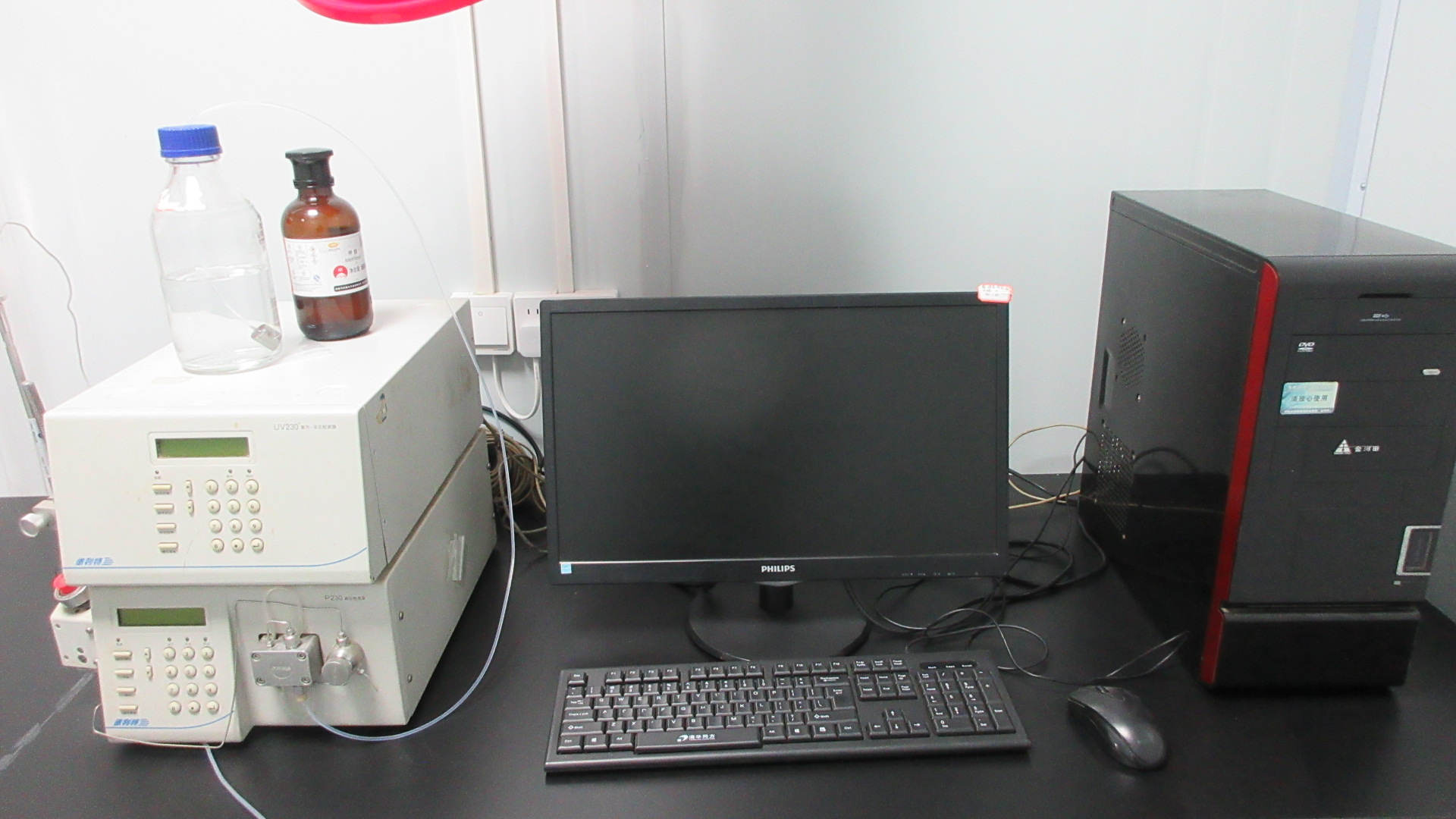
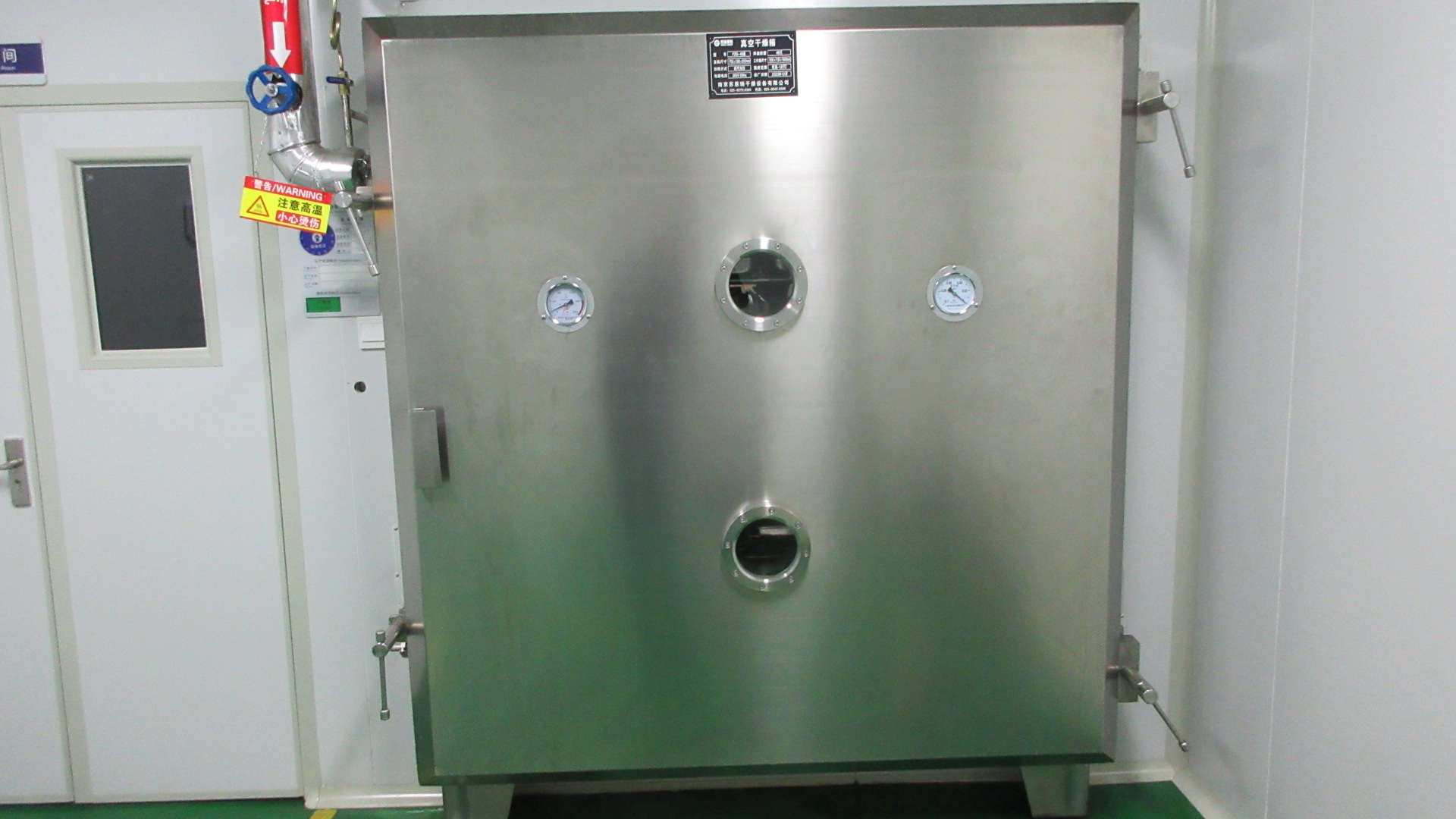
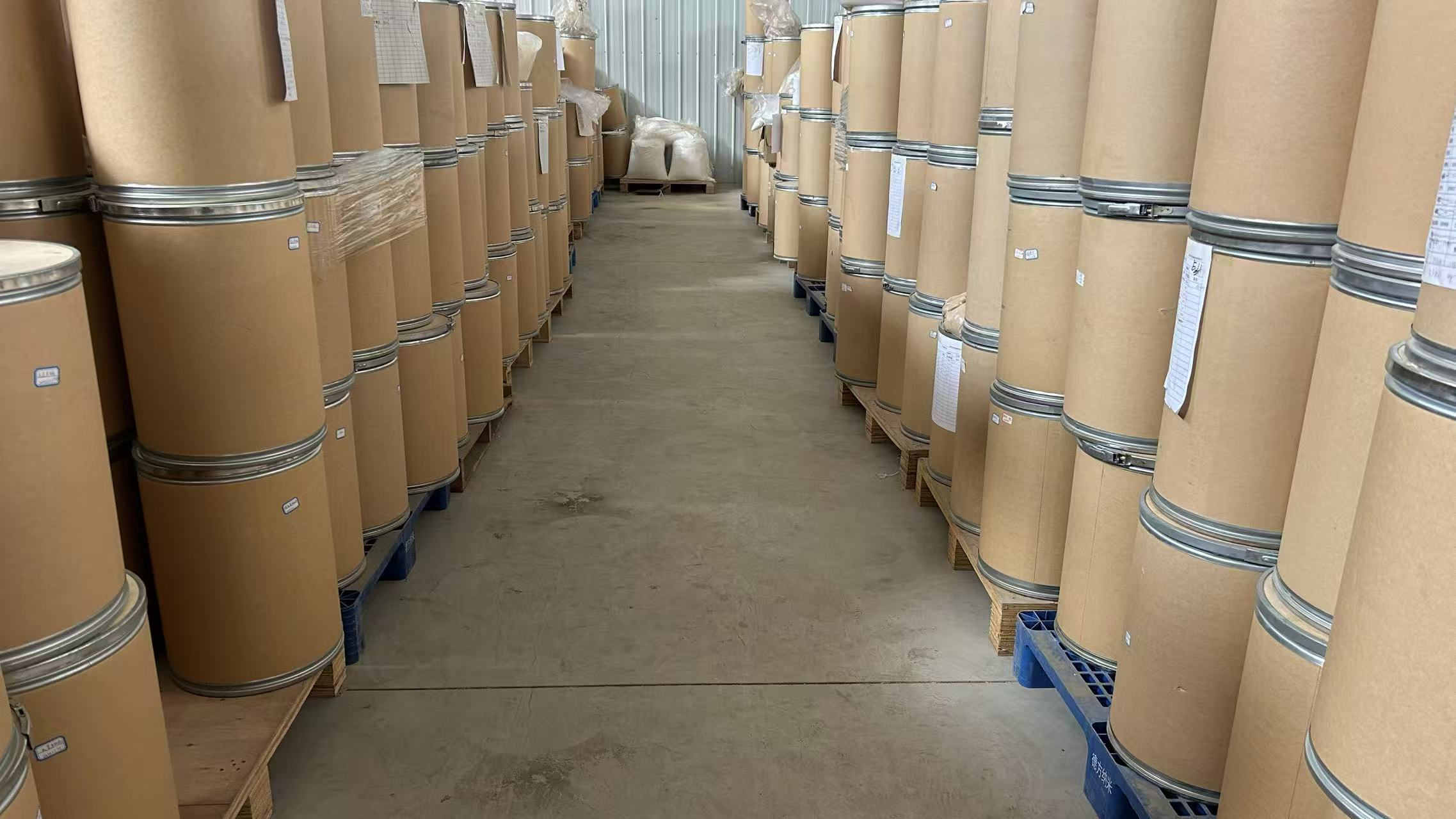
Every single production batch undergoes parallel chromatographic testing. We verify not only the active percentage of L-Ascorbic Acid or botanical polyphenols but cross-examine related substances, residual catalysts, and heavy metal ions.
We provide tailor-made physical modification services: fine micronization down to 120 mesh for rapid cold-water drinks, non-dusting 40-mesh granules for direct-compression tableting, and lipid-encapsulation for thermal stability.
We specialize in flexible commercial terms (FOB China ports, CIF Port of Bar / Luka Bar, or DDP direct delivery to warehouse facilities in Podgorica and Nikšić), packaging goods with nitrogen-flushed poly liners inside robust fiber drums.
Comprehensive regulatory, logistical, and technical insights addressing common cross-border importing concerns.
Partner directly with China's premier ascorbic acid and functional botanical extract factory. Submit your target grade, particle size mesh, required tonnage, and delivery port (Port of Bar or Podgorica) for an immediate technical dossier and pricing breakdown.