Antioxidant

 English
Manufactured under strict ISO, HACCP, and cGMP standards. Validated by comprehensive batch COAs, HPLC assays, and zero-residual-solvent verification.




Why molecular weight distribution and ultra-low protein residuals dictate the transdermal delivery efficiency and clinical performance of Polydeoxyribonucleotide in dermatological cosmetic formulations.
Cosmetic Grade PDRN (Polydeoxyribonucleotide) consists of standardized deoxyribonucleotide polymers derived selectively from salmonid testicular tissue (Oncorhynchus mykiss or Oncorhynchus keta). Unlike fragmented DNA mixtures, pharmaceutical and high-grade cosmetic PDRN selectively binds to the cell-surface adenosine A2A receptor. This enzymatic signalling cascade inhibits pro-inflammatory cytokines such as TNF-α and IL-6, upregulates VEGF (Vascular Endothelial Growth Factor), and actively stimulates fibroblast proliferation, accelerating the reconstruction of an extracellular matrix depleted by chronological aging and cold thermal stress.
Cellular regeneration requires a substantial energetic commitment to synthesize purine and pyrimidine nucleotides. Under low ambient temperatures and reduced enzymatic metabolic rates, typical de novo synthesis slows down dramatically. Cosmetic PDRN supplies preformed nucleosides and nucleotides directly via the salvage pathway. By bypassing de novo synthesis, basal cells conserve adenosine triphosphate (ATP), allowing wounded, aged, or desquamated epidermal cells to initiate rapid DNA transcription and repair even in harsh, cold winter climates.
Standardized molecular weight is the ultimate baseline for cutaneous absorption. High molecular mass DNA (>2,000 kDa) creates viscous, non-penetrating surface films that fail to penetrate the stratum corneum. Conversely, excessive thermal cleavage yields mononucleotides with negligible receptor affinity. BKYULA Biotech utilizes proprietary enzymatic cleavage that precisely narrows polydeoxyribonucleotide chains between 50 kDa and 1,500 kDa (peak at 80–350 kDa), ensuring optimum bioavailability, stable transdermal flux, and zero phase-separation in serum matrices.
Addressing the specific dermatological vulnerabilities caused by Hokkaido's severe winters, low ambient relative humidity, and transition to indoor artificial heating.
Cosmetic laboratories and contract formulators across Sapporo and the wider Hokkaido prefecture face unique formulation constraints. During winter, exterior temperatures consistently fall below freezing, causing relative humidity levels to plummet. The severe vapor pressure gradient between indoor heated environments and outdoors accelerates Transepidermal Water Loss (TEWL), triggering stratum corneum micro-fissuring, cutaneous barrier dysfunction, and cold-induced micro-inflammatory flares.
In response, high-end J-Beauty R&D teams are upgrading classical hyaluronic acid formulations with Cosmetic Grade PDRN. While polysaccharide humectants trap moisture strictly in the ambient film layer, PDRN acts biologically at the dermal-epidermal junction. By stimulating endogenous fibronectin and collagen synthesis while concurrently quenching pro-inflammatory cytokines, PDRN rebuilds the structural resilience of cold-stressed skin.
Our ultra-pure PDRN powder exhibits complete water solubility, zero organoleptic fishy odours, and pristine optical clarity. This makes it ideally suited for Sapporo's minimalist high-potency ampoules, rich lipid barrier recovery creams, and high-frequency post-dermatological meso-solutions.
How stringent Japanese quasi-drug and cosmetic regulatory landscapes are reshaping ingredient procurement for domestic brands and OEM manufacturers.
Japanese cosmetic brands operating under the Pharmaceutical and Medical Devices Agency (PMDA) regulatory umbrella require absolute supply-chain transparency. Sapporo formulators cannot accept raw materials lacking genetic origin identification, solvent trace records, or validated bovine/transmissible spongiform encephalopathy (TSE/BSE) absence certificates. Our export documentation provides complete lot-specific chromatography, fish-species genetic isolation statements, and validated residual protein assays, providing Japanese regulatory compliance teams with frictionless clearing.
The modern Japanese consumer actively rejects unrefined marine extracts that carry sensory penalties such as fishy odor, dark yellow cast, or the need for synthetic masking perfumes. The market trajectory across Sapporo's high-end aesthetic clinics and department store skincare counters heavily favors clean, biophysically pure molecules. BKYULA Biotech’s specialized membrane filtration, alcohol fractional precipitation, and enzymatic decontamination protocols yield an odorless, ultra-pure crystalline powder that stays stable across varying cosmetic pH ranges.
In medical beauty centers throughout Sapporo's Chuo-ku and Odori districts, the integration of PDRN into post-laser, microneedling, and chemical peel recovery protocol has surged. Dermal professionals require raw materials with endotoxin levels controlled to rigorous parameters (< 0.05 EU/mg) to prevent erythema, allergic cross-reactivity, or localized swelling upon micro-channel topical application. Sourcing directly from verified exporters offering sub-kilogram testing samples allows Sapporo labs to validate dermal compatibility before scale-up.
Combining nearly 15 years of technical extraction mastery with verified laboratory precision and seamless direct export routes into New Chitose and Tomakomai ports.
Real-time metrics certified by third-party inspection agencies and international logistics tracking.



Complete traceability from marine salmon harvest to pharmaceutical-clean analytical release.
Equipped with computerized thermal controllers and clean-in-place sanitization loops.

Low-temperature concentration prevents the thermal degradation of delicate nucleic polymers.

Batch chromatographic resolution verifies single-peak nucleotide stability and purity index.
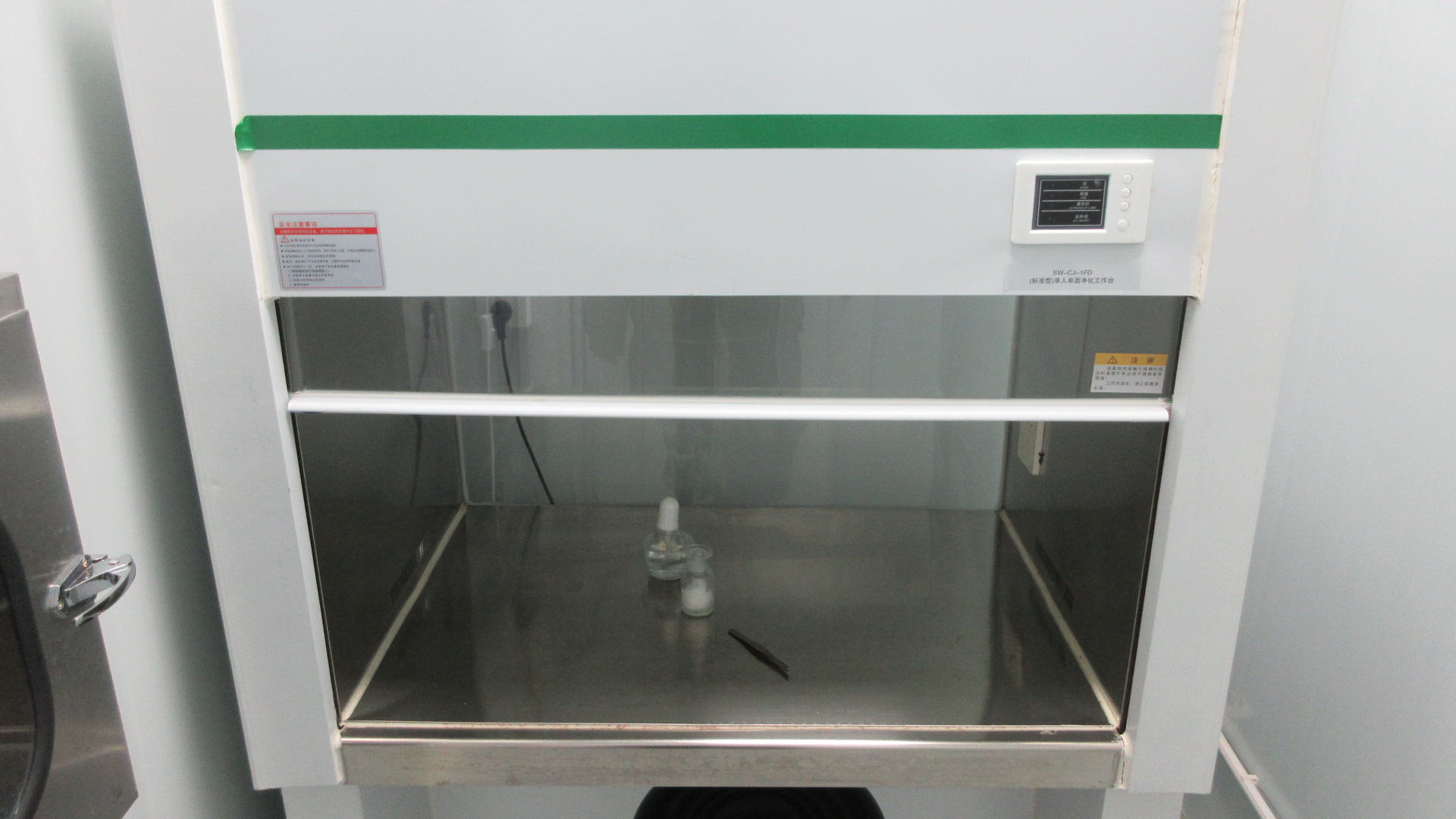
Strict laminar flow chambers safeguard microbiological testing against environmental contamination.
All facility units are verified on-site by SGS Group. Certified to ensure rapid customs transit and QA clearance across East Asia.
Quality Management System
Food & Ingredient Safety
Critical Process Control
Certified Pure Origin
Rabbinical Supervision
Onsite Audited Facility
Direct technical and logistical answers for formulation chemists, QA managers, and international supply chain leaders.