English English
Explore our laboratory-verified ingredients, engineered to withstand microencapsulation matrices, dynamic thermal processing, and strict European novel food frameworks.

In contemporary nutraceutical engineering, conventional unencapsulated L-ascorbic acid faces severe pharmacological constraints: high susceptibility to oxidative degradation in aqueous matrices, gastric mucosal irritation at therapeutic dosages, and saturable intestinal transport via sodium-dependent vitamin C transporter 1 (SVCT-1). Liposomal Vitamin C represents a transformative leap in delivery science. By encapsulating hydrophilic ascorbic acid within a biomimetic spherical bilayer vesicle composed of non-GMO sunflower- or soy-derived phosphatidylcholine, the active nutrient is shielded against gastric acid denaturation and enzymatic hydrolytic breakdown.
For enterprise formulators and contract manufacturing organizations (CMOs) in the Flemish region of Belgium, the stability of liposomal suspensions and dry liposomal powders hinges on precision physicochemical metrics. True liposomes must maintain a mean vesicle diameter between 80 nm and 150 nm, verified via Dynamic Light Scattering (DLS). This nanoscale profile enables direct cellular absorption via endocytosis and lymphatic bypass of first-pass hepatic metabolism, increasing plasma ascorbate concentration (Cmax) and area under the curve (AUC) up to 2.8 times compared to unliposomal crystalline powders.
| Evaluation Parameter | Standard L-Ascorbic Acid | Ascorbyl Palmitate (Fat-Soluble) | Industrial Liposomal Vitamin C (Liquid/Dry) |
|---|---|---|---|
| Absorption Mechanism | Carrier-mediated active transport (SVCT-1 saturable) | Hydrolyzed in intestinal lumen before uptake | Transcellular pinocytosis & passive lipid membrane fusion |
| Intestinal Tolerability Threshold | Osmotic diarrhea common above 1.5 g/day | Moderate tolerability; lower absolute vitamin yield | High gastrointestinal tolerance (well tolerated > 4 g/day) |
| Encapsulation Efficiency (EE) | Not Applicable (0%) | Not Applicable (Esterified form) | ≥ 90% (HPLC Assay post-ultracentrifugation) |
| Mean Particle Size (DLS) | Polydisperse crystalline (micrometer scale) | Micelle dispersions (variable > 500 nm) | Controlled monodisperse nanoscale (80 – 140 nm) |
| Thermal & Oxidation Stability | Rapid discoloration and degradation in air/moisture | Lipophilic protection; moderate stability | Phospholipid envelope blocks free radicals and light exposure |
| Primary Target Application | Low-cost multivitamins, basic effervescents | Fat-based matrices, cosmetic lipid serums | High-end clinical supplements, premium functional RTD |
Bruges occupies a distinguished nexus within the Flemish economic landscape. Far beyond its heritage status, the Bruges–Zeebrugge maritime port nexus (integrated into the Port of Antwerp-Bruges) acts as one of Europe's primary deep-water consolidation centers for high-value botanical extracts, pharmaceutical ingredients, and specialized food chemicals. For procurement officers and product development teams operating across West Flanders, East Flanders, and the wider Brussels metropolitan corridor, establishing localized, traceable supplier partnerships is critical for business continuity.
The Belgian nutraceutical market operates under the rigorous oversight of the Federal Public Service (FPS) Health, Food Chain Safety and Environment, adhering strictly to the Royal Decree of 29 August 1997 and Regulation (EC) No 1924/2006. With Bruges situated in proximity to leading Flemish biotechnology campuses (including Ghent University's biotechnology cluster and Bio Base Europe), regional buyers demand exhaustive dossiers: Certificates of Analysis (COA) confirming residual solvent limits below ICH limits, polycyclic aromatic hydrocarbon (PAH) compliance under EU 2023/915, heavy metal thresholds (Pb < 3.0 ppm, Cd < 1.0 ppm, Hg < 0.1 ppm, As < 1.0 ppm), and clean non-GMO authentication.
Industrial clients sourcing Liposomal Vitamin C raw materials from our manufacturing facilities deploy these standardized powders and stabilized liquid suspensions across four primary formulation pillars:
Utilized by Belgian nutraceutical labs to formulate high-potency single-dose sachets (1000 mg active ascorbate) and two-piece hard shell capsules. The dry liposomal powder provides stable flowability without aggregating, ensuring high fill uniformity on automated capsule machines.
Incorporated into Flanders’ flourishing functional beverage sector. The hydrophilic liposomes integrate seamlessly into low-pH liquid matrices (pH 3.2–4.5) without phase partitioning, cloudiness settling, or metallic off-notes common with synthetic ascorbic acid salts.
Supplied to personal care formulators developing anti-photoaging dermo-cosmetics. The liposomal lipid structure mimics stratum corneum lipid sheets, promoting dermal penetration to stimulate fibroblast collagen synthesis while preventing spontaneous oxidation.
The European consumer sentiment has shifted decisively toward clean-label, allergen-free, and solvent-free processing methods. Purchasing managers in Bruges, Ghent, and Antwerp are transitioning away from first-generation ethanol-injection liposomal production techniques toward continuous high-pressure homogenization (HPH) and supercritical CO2 extraction methods. These modern manufacturing routes eliminate trace alcohol residues, complying with EU Pharmacopoeia limits.
Moreover, the shift from conventional bovine gelatin capsules toward vegetable HPMC and delayed-release pullulan membranes has heightened the demand for high-density, low-hygroscopicity liposomal powders. Our factory engineering teams have perfected spray-freeze-drying and vacuum fluidized-bed coating, utilizing non-allergenic sunflower phosphatidylcholine with high oleic acid profiles. This guarantees sustained shelf-life stability up to 24 months under standard European storage conditions (20°C, 60% RH).
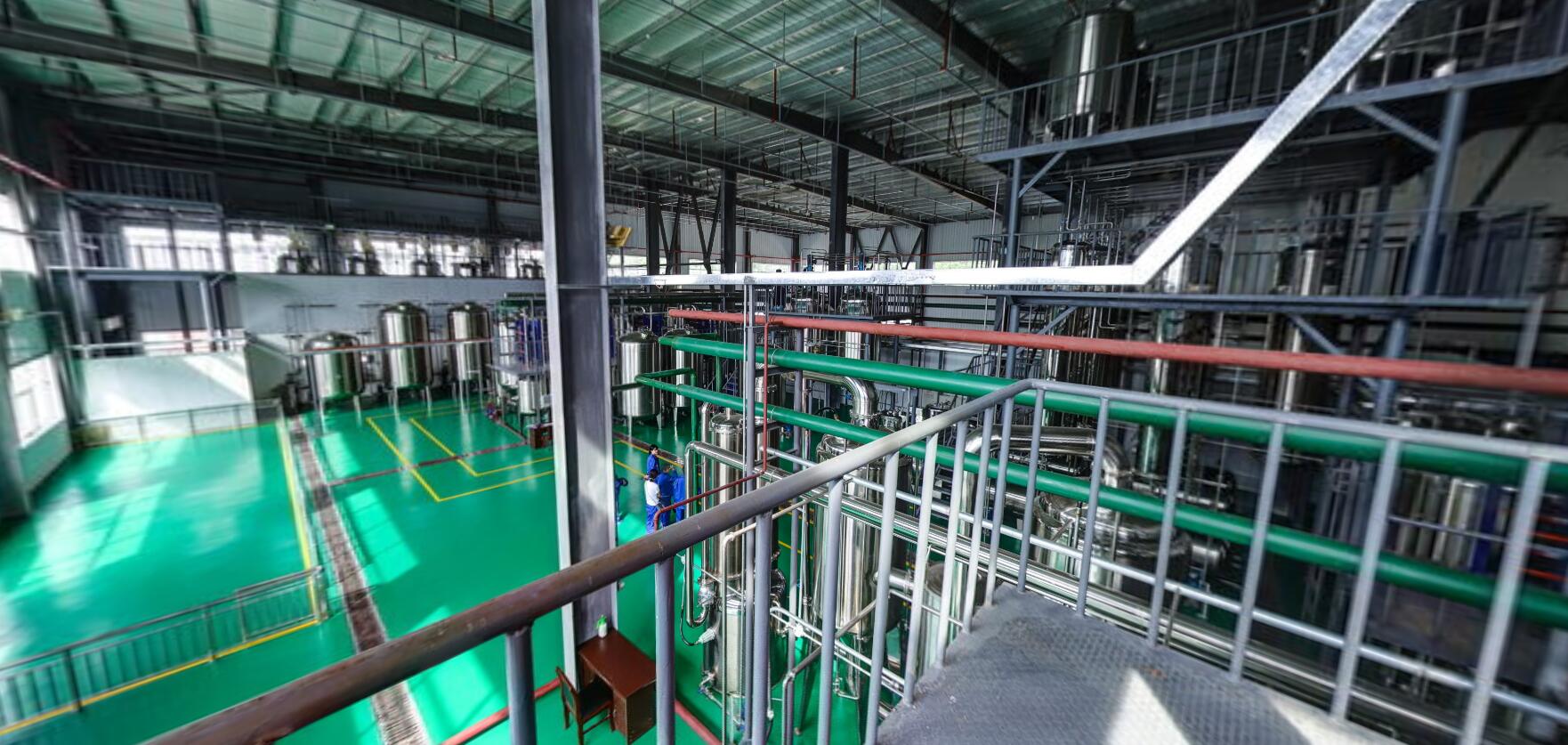
Operating as an SGS-verified industrial extract manufacturer with over 15 years of technical extraction pedigree, BKYULA Biotech serves as the direct factory source for international supplement brands, contract manufacturers, and research facilities. Our multi-stage manufacturing workshops in Xi'an, Shaanxi operate in compliance with ISO 9001:2015, ISO 22000, and HACCP quality standards.
To support European B2B procurement, our quality assurance facilities are equipped with parallel Agilent HPLC testing lines, UV-visible spectrophotometers, dynamic light scattering nanosizers, and Class 100,000 cleanrooms for microbiological validation. Every production run undergoes rigorous verification for active marker content, heavy metals, pesticide residues, aflatoxins, and microbiological purity before releasing the batch Certificate of Analysis.
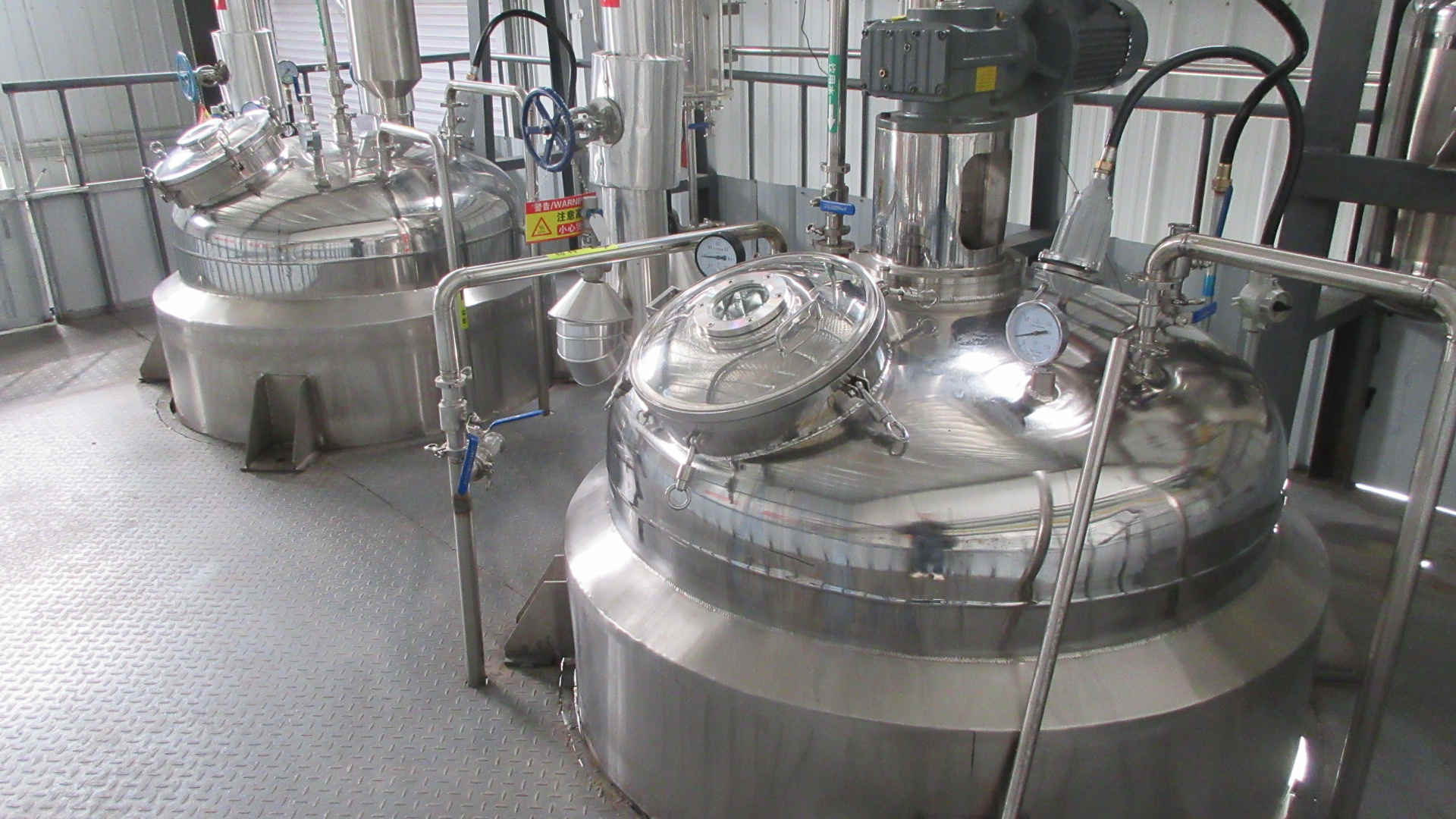
Multi-stage stainless tanks with PLC temperature control.
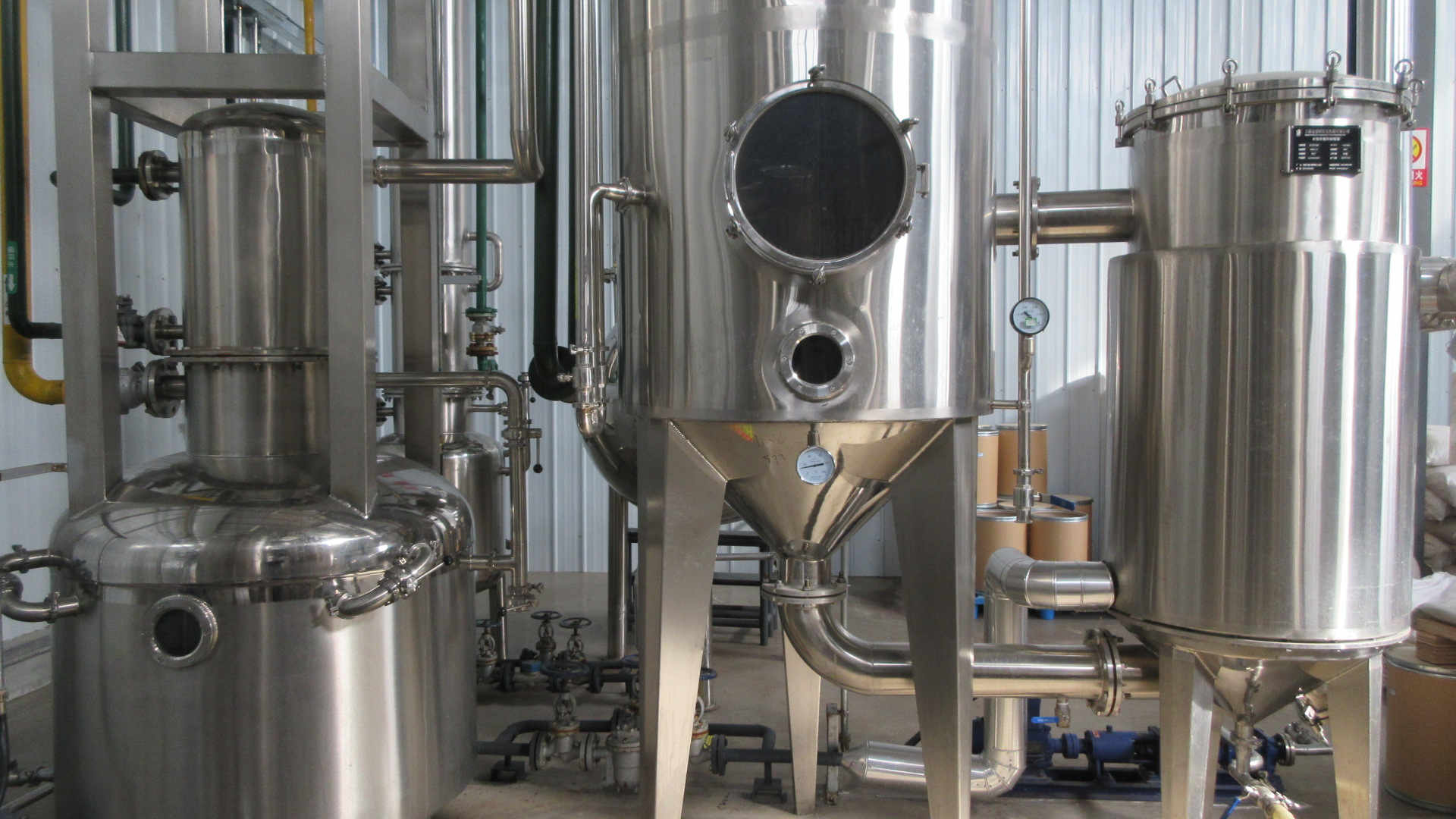
Vacuum concentration preserving thermal-sensitive actives.
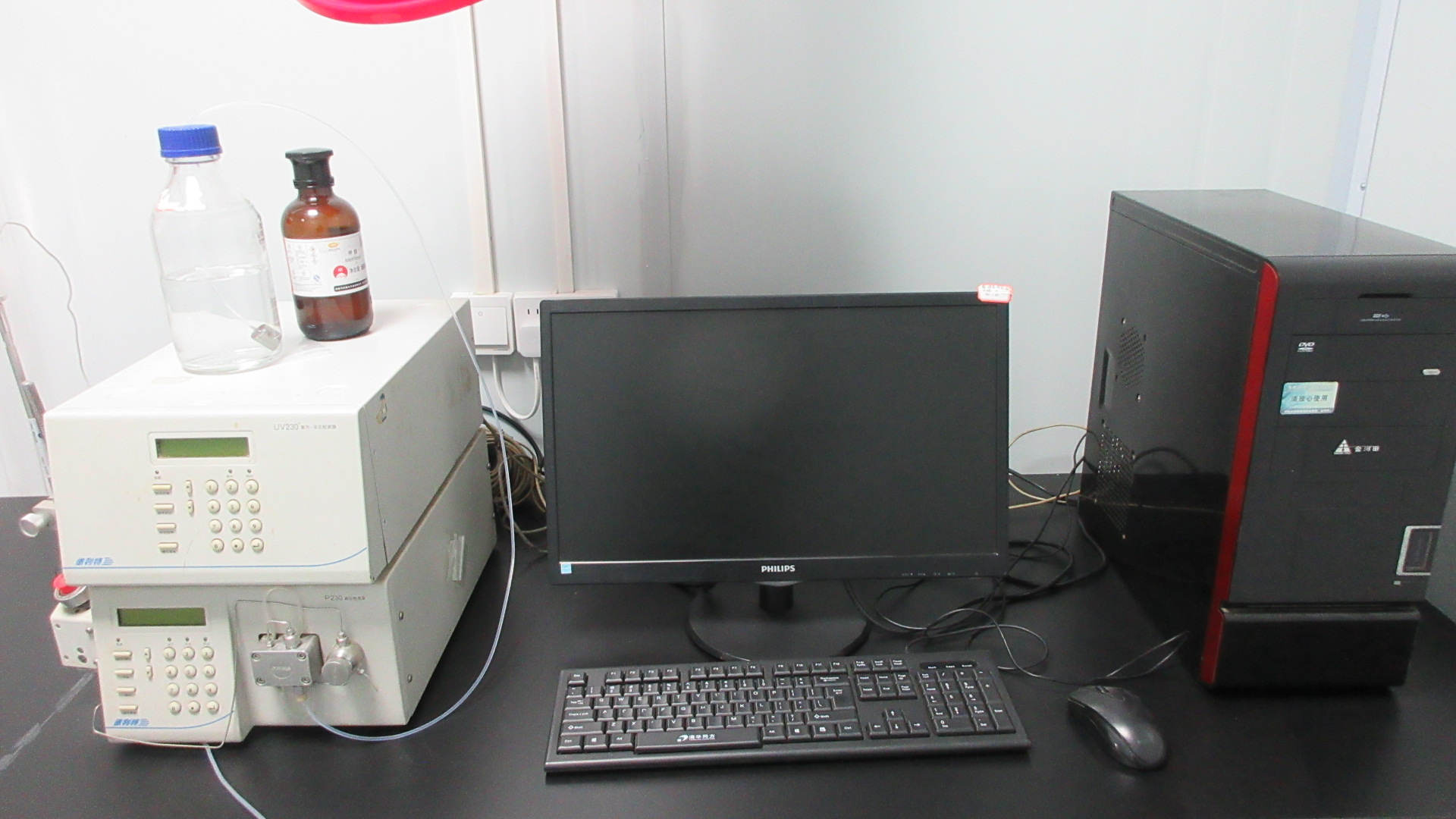
Quantitative assay verification of active compounds.
Sealed drum and foil vacuum packaging under nitrogen purge.
Request comprehensive technical dossiers, pilot sample batches (100g – 1kg), batch-specific HPLC chromatograms, and competitive freight quotes directly to your facility in Bruges or greater Europe.