English English
Supplying pharmaceutical research groups, functional beverage formulators, and nutritional manufacturers across Singapore and the broader Southeast Asian corridor with verified analytical certificates.
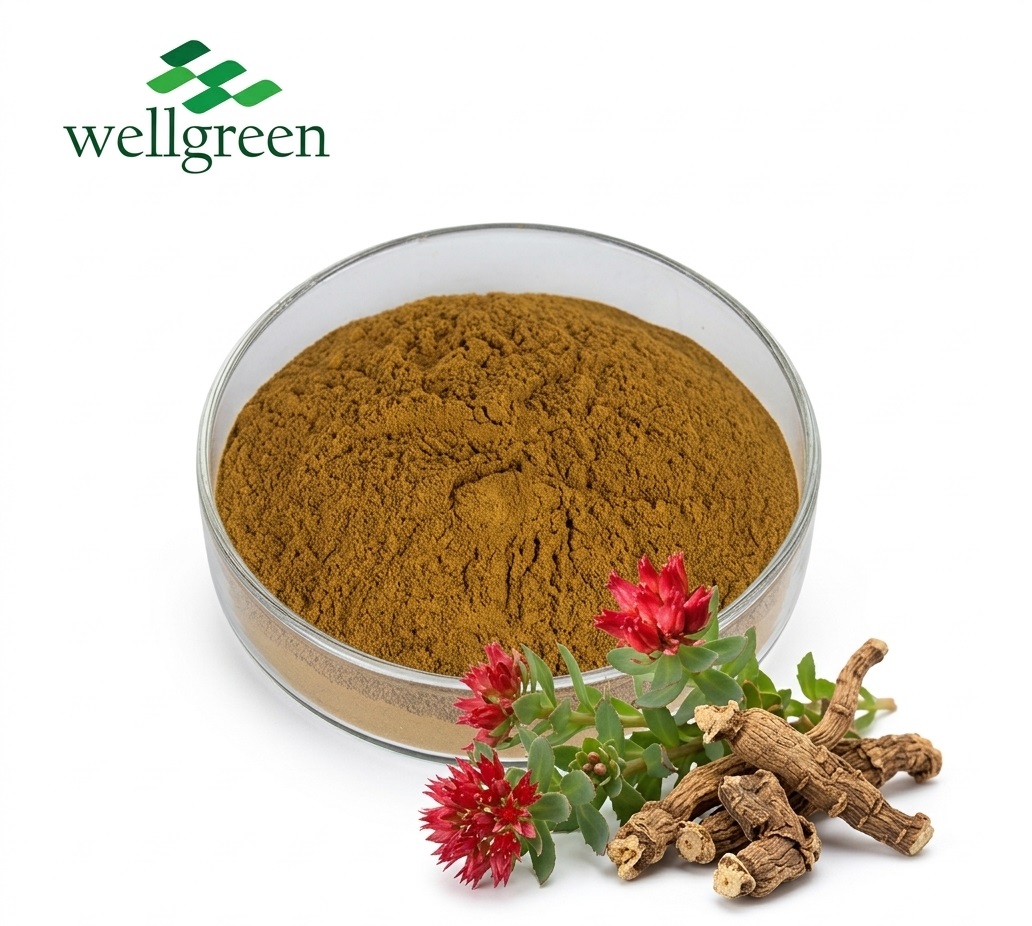

Soapbark Extract Liquid, derived exclusively from the inner bark, milled cambium, or sustainable pruned branches of the Quillaja saponaria Molina tree (indigenous to temperate South America and refined through precision processing facilities), represents one of nature’s most chemically complex and functionally superior non-ionic biopolymeric surfactants. Unlike synthetic wetting agents such as Polysorbate 80 (polyoxyethylene sorbitan monooleate) or synthetic polyglycerol esters, Soapbark Extract Liquid delivers a comprehensive molecular matrix dominated by bidesmosidic triterpenoid saponins. These complex saponins feature a lipophilic quillaic acid aglycone core covalently linked to two hydrophilic oligosaccharide branches via ester and ether linkages.
This dual amphiphilic chemical architecture grants Soapbark Extract Liquid an unusually broad Hydrophilic-Lipophilic Balance (HLB) value range of 13.5 to 15.0. This enables our liquid grades to achieve spontaneous interfacial molecular adsorption at oil-water boundaries. When subjected to high-pressure homogenization, microfluidization, or high-shear dispersion, the saponins rapidly align at microscopic droplets, dramatically lowering interfacial tension down to < 28 mN/m and establishing an electrostatic and steric viscoelastic barrier. In Singapore's demanding manufacturing landscape—spanning high-throughput functional beverage packing to precision cosmetic emulsion lines—this molecular structure delivers thermodynamic resistance against droplet coalescence, gravitational creaming, Ostwald ripening, and acid-induced phase inversion.
Technical Distinction: Food-Grade Type-1 vs. Purified Pharmaceutical Grade: Commercial food and beverage stabilizing applications demand natural clarity, high solubility across broad thermal spectra, and strict organoleptic neutrality (absence of bitter astringency). In contrast, biomedical formulations require specific chromatographic fractions—predominantly the QS-7, QS-17, and QS-21 triterpenoid isomers—which possess potent immunological adjuvant profiles utilized in advanced lipid nanoparticle (LNP) vaccines and sub-unit antigen carriers.
Our extraction infrastructure enforces a closed-loop, cold-temperature countercurrent leaching and micro-filtration methodology. This prevents thermal degradation of thermolabile ester linkages within the saponin core, guaranteeing peak bioactivity and structural stability upon industrial dilution.
Comparing Quillaja Saponaria Liquid against traditional synthetic surfactants, plant lecithins, and modified gums across standard operational parameters.
| Functional Parameter | Quillaja Saponaria Extract Liquid | Polysorbate 80 (Tween 80) | Soy / Sunflower Lecithin | Gum Arabic (Acacia Gum) |
|---|---|---|---|---|
| Origin & Clean-Label Status | 100% Plant-Derived (Clean Label) | Synthetic Chemical Derivative | Natural Plant Seed Extract | Natural Tree Exudate |
| Interfacial Tension Reduction | Superior (< 28 mN/m) | Very High (< 30 mN/m) | Moderate (~ 35–40 mN/m) | Weak (> 45 mN/m) |
| Thermal Stability Range | 4°C to 125°C (Retort Stable) | 4°C to 100°C | Thermally Labile (> 65°C Oxidizes) | 4°C to 90°C |
| pH Operating Range | pH 2.0 – 9.0 (Acid Invariant) | pH 3.5 – 8.0 | pH 4.5 – 8.5 (Precipitates in Acid) | pH 2.5 – 7.0 |
| Dosage Requirement (w/w) | 0.05% – 0.25% | 0.10% – 0.50% | 1.0% – 3.0% | 10.0% – 25.0% |
| Optical Clarity in Aqueous Media | Optically Crystal Clear (No Haze) | Clear to Slight Turbidity | Opaque / Milky Suspension | Semi-Translucent / Golden Haze |
| Foam Retention Profile | Dense, Micro-Cellular, Stable >45m | Unstable Coarse Bubbles | Non-Foaming / Foam Destabilizer | Moderate Foam Stabilizer |
Engineered to support regional FMCG enterprises, Tuas biomedical clusters, Jurong Island personal care manufacturers, and Agri-tech innovators.
Singapore's rapid expansion in artisanal RTD tea bottling and non-alcoholic spirit distillation relies on Soapbark Extract Liquid as a natural whipping agent and clarity-preserving essential oil solubilizer. Citrus oils, botanical terpenes, and adaptogens (e.g., Ashwagandha, Ginseng) remain suspended in crystal-clear matrices without cloudy sediment across long shelf lives in high-humidity regional retail environments.
Singapore's elite biomedical landscape—centered in Biopolis and Tuas Biomedical Park—conducts cutting-edge immunology and sub-unit vaccine formulation research. Standardized Quillaja saponin fractions serve as the critical foundation for ISCOMs (immune-stimulating complexes) and saponin-based adjuvant systems, enhancing cellular cytotoxic T-lymphocyte and mucosal antibody titers with high safety profiles.
To navigate Singapore’s mandatory Ministry of Health (MOH) Nutri-Grade beverage grading system, brands are reformulating away from high-sugar emulsion bases. Our ultra-concentrated Soapbark liquid requires dosages as low as 0.08%, allowing brands to achieve velvety mouthfeel, creaminess, and oil emulsion in plant-based oat, soy, and pea milks without inflating caloric or carbohydrate metrics.
Singapore acts as the central springboard for Southeast Asian Halal cosmetic distribution. Natural Quillaja saponins replace synthetic sodium lauryl ether sulfates (SLES) in ultra-mild facial cleansers, micellar cleansing waters, and scalp-care shampoos. They provide gentle surfactant action, maintain barrier lipids, offer natural anti-microbial support, and soothe delicate Asian skin phenotypes.
Aligned with Singapore’s "30 by 30" food resilience agenda, urban indoor recirculating aquaculture systems (RAS) farming Barramundi and crustaceans deploy bio-active Quillaja saponins at micro-concentrations. Soapbark extracts act as natural digestive stimulants, reduce intestinal protozoan burdens, improve nutrient uptake efficiency, and eliminate persistent surface organic skum without harming fragile bio-filters.
Singapore holds a unique geopolitical and regulatory standing within the ASEAN economic zone. As brands increasingly manage product registrations across Malaysia, Indonesia, Vietnam, and Australia from regional corporate headquarters in Singapore, ingredient selection has pivoted from low-cost commodities to high-compliance, multi-jurisdictional clean-label inputs. Four dominant market dynamics drive the demand surge for standardized Soapbark Extract Liquid:
1. Strict Enforcement of Singapore Food Agency (SFA) Additive Purity Directives: The SFA exercises stringent regulatory surveillance over non-permitted synthetic surfactants and emulsifiers. Under the Singapore Food Regulations (Eleventh Schedule), Quillaja extracts (INS 999) are explicitly approved as foaming agents and emulsifiers, subject to defined active saponin thresholds. Manufacturers sourcing through BKYULA Biotech benefit from fully validated HPLC assays confirming heavy metals (Lead < 2 ppm, Arsenic < 1 ppm, Mercury < 0.1 ppm, Cadmium < 1 ppm), zero ethylene oxide residues, and undetectable synthetic solvent carriers.
2. The Regional Halal Gateway (MUIS Compatibility): Singapore's location makes compliance with the Islamic Religious Council of Singapore (MUIS) and mutual recognition frameworks across JAKIM (Malaysia) and BPJPH (Indonesia) paramount. Sourcing Soapbark extract processed via purely aqueous solvent systems without cross-contact with non-Halal ingredients allows regional exporters to maintain unbroken Halal supply chain integrity across ASEAN borders.
3. Clean-Label Microencapsulation & Water-Soluble Cannabinoids / Functional Nutrients: Food technology incubators at Singapore Science Park and Jurong Innovation District are pioneering next-generation nutrient delivery systems. Soapbark saponin extracts deliver exceptional thermodynamic kinetic stability in micro-emulsifying oil-soluble actives—including Vitamin A, Vitamin D3, Astaxanthin, CoQ10, and Curcumin—allowing rapid bio-accessibility and crystal-clear reconstitution in clear waters.
Direct, authoritative answers addressing local regulatory, logistics, quality documentation, and formulation inquiries.
Speak directly with our technical application specialists. Request batch-specific HPLC certificates, commercial pricing tiers, and complimentary trial samples delivered directly to your Singapore facility.
Contact Us